New discoveries have rewritten the history of our solar system, revealing a complex and violent story that begins with the birth of our Sun from the debris of a massive galactic collision, to its eventual fate as a lone zombie star. It is a dramatic history of elegant beauty and extreme violence. The inner solar system was like a congested highway. Planets crossing lanes, frequent collisions. There were a lot of planets that could have made it but didn't, and we just happen to be one of the lucky ones that did. The players in our solar system's story are more tangled up than we ever imagined. Without all of these things interplaying, the Earth wouldn't have the stable environment that we have today, and life wouldn't be able to exist.
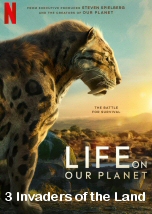
The third episode of the series is a visually stunning journey, from the earliest lichens and microplants to the imposing dinosaurs and the diversity of life forms we know today. Key moments in Earth's history are highlighted, such as the appearance of arthropods, the development of terrestrial flora and fauna, and the mass extinctions that have reshaped ecosystems. The documentary not only shows the resilience and adaptability of life on our planet but also highlights the fragility of our ecosystem and the crucial importance of preserving biodiversity for the future of Earth. This documentary is a celebration of life in all its forms and a powerful reminder of our role in protecting this incredibly diverse and dynamic world.
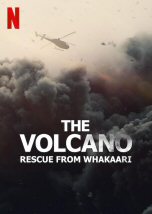
A close examination of the Whakaari / White Island volcanic eruption of 2019, in which 22 lives were lost, the film viscerally recounts a day when ordinary people were called upon to do extraordinary things, placing this tragic event within the larger context of nature's unpredictability and the resilience and power of our shared humanity. The film explores the profound impact on survivors, their unwavering determination to recover and rebuild, and the enduring effects of the eruption. With remarkable personal stories, stunning visuals, and a poignant reflection on the forces of nature, this documentary offers a gripping portrayal of the human spirit and solidarity in the face of adversity. It is a must-watch for those interested in powerful storytelling and the resilience of the human spirit, with a captivating and thought-provoking narrative.
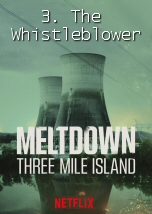
In the third episode, during cleanup at the plant, insiders claim that cost-cutting measures and intimidation tactics create a danger war force than the accident itself. Several state and federal government agencies mounted investigations into the crisis, the most prominent of which was the President's Commission on the Accident at Three Mile Island, headed by chairman John G. Kemeny. The investigation strongly criticized Babcock & Wilcox, Met Ed, Graphics processing unit, and the Nuclear Regulatory Commission for lapses in quality assurance and maintenance, inadequate operator training, lack of communication of important safety information, poor management, and complacency. Kemeny said that the procedures and that the control room were greatly inadequate for managing an accident.
(Click CC for subtitles) Embark on a captivating journey into the heart of Frida Kahlo's vibrant existence. This profound exploration delves into the intimate world of the iconic artist, as narrated by Kahlo herself through her most personal diaries, revealing letters, thoughtful essays, and insightful interviews. Witness the raw and magical odyssey of her life, illuminated by the sorrows and joys that inspired her unforgettable art. The documentary comes alive with enchanting, lyrical animations that draw directly from the vivid colors and emotional depth of Kahlo's masterpieces, offering a visually stunning experience that mirrors the passion and complexity of her soul. This film is not just a biography; it's an immersive experience into the essence of Frida Kahlo's artistry and being, promising to leave audiences inspired, moved, and forever changed.
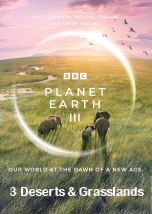
The third episode takes viewers on a riveting journey to some of the world's most extreme and breathtaking deserts and grasslands, where nature puts on its most dramatic show. It begins in the arid landscapes of Central Africa's Guelta d'Archei and the Namib Desert in Southwest Africa, places where water is scarce, and survival is a daily battle. The focus then shifts to the remarkable adaptability of creatures like ostriches, who brave the scorching heat and predators to raise their young and a handful of leopards who learned to hunt from trees on the African plains. In Australia, viewers witness the intricate courtship rituals of the spotted bowerbird, a species facing challenges due to climate change. The narrative then takes us to the vast Eurasian Steppe, home to the unique Saiga antelope, and to Brazil's Cerrado, a biodiverse grassland where the elusive maned wolf plays a crucial role in maintaining the ecosystem. The episode highlights not only the resilience and beauty of these creatures but also the fragility of their habitats, emphasizing the urgent need for conservation efforts.


















It is a dramatic history of elegant beauty and extreme violence. The inner solar system was like a congested highway. Planets crossing lanes, frequent collisions. There were a lot of planets that could have made it but didn't, and we just happen to be one of the lucky ones that did. The players in our solar system's story are more tangled up than we ever imagined. Without all of these things interplaying, the Earth wouldn't have the stable environment that we have today, and life wouldn't be able to exist.