As summer spreads across our planet, honey bees toil, snow geese breed, tadpoles awaken and lions stalk wildebeest in search of lush grass. Our planet is solar-powered. But due to the Earth's tilt, it doesn't strike its surface evenly. This solar energy arrives in varying amounts at different times of the year. The huge increase that comes with summer also triggers countless migrations.
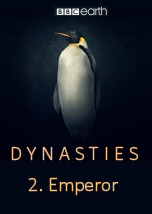
We're transported to Atka Bay on the frigid coast of Antarctica, where a magnificent colony of emperor penguins embarks on a jaw-dropping journey. These remarkable birds, after three months of oceanic feasting, return to the frozen continent as the waters freeze over. What makes their story even more gripping is that they are the last inhabitants of Antarctica, as other wildlife has wisely retreated to the safer sea. Narrated by David Attenborough, this extraordinary documentary immerses you in an epic saga of survival, fierce parenting, and unwavering tenacity. Join these resilient penguins as they confront the harshest conditions on Earth, embarking on an unforgettable adventure deep within the icy heart of the wilderness.
(Click CC for subtitles) Rumors fly about whether an up-and-coming driver will join Hamilton on team Mercedes, potentially leaving Valtteri Bottas without a seat. Seemingly permanently stuck in the crisis of a one-year contract running out, this time Bottas has Mercedes golden boy George Russell breathing down his neck. The young Brit desperately wants Bottas’ seat, and things come to a head when the two collide at Imola. Scandalous. Bottas can’t resist the inevitable though, and after Russell puts the F1 on the front row at Spa, whilst the Finn can only manage eighth, it looks to be all over. Thus follows a scene of Russell being told he has the Mercedes seat by Wolff in a scene which looks so staged it would make even cringe.
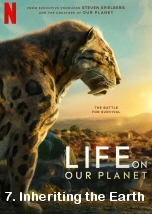
The seventh episode of the series takes us on an epic journey to discover the extraordinary dynasty of mammals. From their humble origins in the Jurassic forests to their dominance in the modern world, mammals have evolved and survived through cataclysmic events and drastic environmental changes. From the small coati in the jungle to the majestic Megacerops, passing through the elusive snow leopard in the Himalayas and the gigantic marine mammals like whales, the documentary illustrates the adaptability and diversity of these incredible beings. With stunning images and masterful narration, the documentary is a window to the resilience and beauty of life on Earth, celebrating the tenacity and ingenuity of mammals throughout the ages.
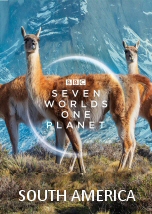
The third episode of the series takes viewers on an enthralling journey through the diverse ecosystems of the most species-rich continent on earth. It highlights the resilience and challenges faced by the unique wildlife, from the Atacama Desert to the Amazon Rainforest. The documentary showcases the remarkable interactions between creatures like black spider monkeys, parrots, and Capuchin monkeys, emphasizing the delicate balance between human needs and the preservation of South America's biodiversity. The film also captures the rare and thrilling moments of puma hunting, providing an intimate look at the struggles of a mother puma named Sarmiento. South America's extraordinary landscapes, wildlife, and their coexistence with humans are beautifully depicted in this documentary.
Deep in the jungles of Taiwan lives female giant golden orb-weaver spider -- among the biggest web building spiders on the planet. With a leg-span of almost eight inches and silk like kevlar, she's a fearsome predator. But the orb spiders must find a way to mate with her male counterparts, who are approximately 10 times smaller and 500 times lighter than she is.











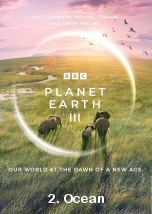
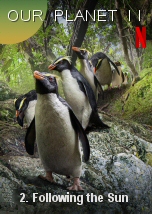




Our planet is solar-powered. But due to the Earth's tilt, it doesn't strike its surface evenly. This solar energy arrives in varying amounts at different times of the year. The huge increase that comes with summer also triggers countless migrations.