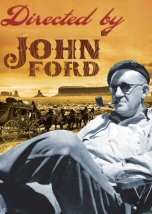
This compelling portrait explores the life and legacy of legendary filmmaker John Ford, tracing his journey from the silent era to becoming one of the most influential directors in cinema history. Through rare archival footage, interviews with collaborators and admirers, and scenes from his most iconic films, the documentary reveals how Ford shaped the visual language of Hollywood and redefined the American Western. It uncovers the man behind the myth—disciplined, private, and fiercely devoted to storytelling. Beyond the sweeping landscapes and unforgettable heroes, the film examines Ford’s complex personality and the contradictions that fueled his artistry. Featuring reflections from major actors and directors who worked with him, it becomes both a tribute and an intimate study of a filmmaker whose vision continues to echo through generations of cinema.
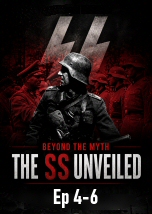
In the final three episodes of the series, the image of elite discipline surrounding the SS is stripped away to reveal a far darker and more disturbing reality. Behind the façade of military excellence lay poorly trained recruits driven not by honor, but by blind ideology and a complete absence of remorse. As their role expands from the battlefield to the brutal control of concentration camps, the narrative exposes how ordinary men became perpetrators of systematic violence, carrying out atrocities with chilling efficiency while maintaining the appearance of normal lives beyond their crimes. These episodes push further into the unsettling contrast between barbarity and everyday existence, showing how members of the SS could participate in unimaginable acts and then return to social settings as if nothing had happened. The story then draws a direct line to the present, confronting the uncomfortable truth that, despite overwhelming historical evidence, remnants of admiration and myth still persist in certain circles. It’s a gripping and unsettling conclusion that forces viewers to question how such distortion of memory can endure—and why it still matters today.
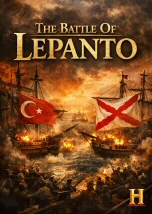
A decisive clash unfolds on the waters of the Mediterranean, where two powerful worlds collide in a battle that would change the course of history. Through dramatic reconstructions, expert analysis, and historical accounts, the film brings to life the tension, strategy, and sheer scale of one of the largest naval confrontations ever fought. As fleets gather and alliances form, the stakes rise beyond territory or power—this is a struggle that will define the balance between empires and shape the future of Europe. Amid the chaos of combat, the story reveals the human side of the conflict: the commanders making impossible decisions, the soldiers facing overwhelming odds, and the turning points that transformed a desperate confrontation into a legendary victory. With vivid detail and a strong sense of urgency, it offers a compelling look at how courage, faith, and strategy combined in a moment that still echoes through history today.
In the final two episodes, Stanley Tucci ventures into some of Italy’s most rugged and surprising landscapes, discovering how geography carves flavor into every bite. In a windswept sheep country, he grills mutton over open flames, savors French-influenced Sunday traditions, and traces the sweet, centuries-old origins of confetti, revealing how history and terrain combine to shape unexpected culinary treasures. It’s a journey where the land itself becomes the secret ingredient. The adventure continues in Lazio, where Tucci explores the powerful connection between countryside and capital. From Roman pizza to Ariccia’s legendary porchetta, from rustic fish soup to tender spring lamb, each dish reflects a cuisine rooted in simplicity yet elevated by elegance. These episodes celebrate the authenticity of regional food, showing how tradition, landscape, and community come together to define what it truly means to eat Italian.
In the final two episodes of this season, Phil continues his joyful culinary adventure, discovering how food reveals the heart and traditions of remarkable cultures. With his trademark humor and curiosity, he shares unforgettable meals with locals whose stories bring every dish to life. First, Phil dives into the bold flavors of the Philippines, savoring sizzling pork sisig, sharing a lively roadside lunch with Jeepney drivers, and bravely joining his first traditional boodle fight, where friends gather around a table covered with food and eat together with their hands. The journey then takes him to Guatemala, where rich volcanic soil and vibrant traditions create an extraordinary culinary landscape. Traveling with Claudia, his family’s longtime babysitter and dear friend, Phil explores colorful markets, local dishes, and heartfelt connections that make this trip especially meaningful.
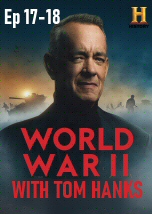
In episodes 17 and 18, the Second World War enters its most devastating final phase as two distant battlefields become the stage for unimaginable destruction. Across the Pacific, American forces fight island by island against an enemy determined to resist to the very last soldier. Every beachhead is won at an unbearable cost, revealing a campaign where courage, sacrifice and survival are pushed beyond all human limits. As casualties mount and Japan refuses to surrender, the conflict descends into one of the bloodiest chapters in military history. Meanwhile, the Soviet Union launches its overwhelming final offensive into the heart of Nazi Germany. As the Red Army closes in on Berlin from the east and Western Allied forces advance from the west, Hitler's collapsing regime makes one last desperate stand. Street by street, the battle for the German capital becomes a brutal struggle that seals the fate of the Third Reich. Through extraordinary archival footage and firsthand accounts, these episodes reveal how two immense campaigns—one in Europe and one in the Pacific—brought the deadliest war in history to its dramatic and unforgettable conclusion.














Beyond the sweeping landscapes and unforgettable heroes, the film examines Ford’s complex personality and the contradictions that fueled his artistry. Featuring reflections from major actors and directors who worked with him, it becomes both a tribute and an intimate study of a filmmaker whose vision continues to echo through generations of cinema.