(Click CC for subtitles) Ranjit, a farmer in India, takes on the fight of his life when he demands justice for his 13-year-old daughter, the victim of a brutal gang rape. His decision to support his daughter is virtually unheard of, and his journey unprecedented. Nominated for Best Documentary Award, the film has an undeniable and unshakable power. It is one of those documentaries where anyone who watches it won’t be the same person by the end as they were when it started. To Kill a Tiger offers the viewer remarkable access to village life, not just in the modest home where Ranjit’s family make roti on an open fire, but in the fields where they herd goats and collect water from a pump. The camera finds quiet details, like Ranjit’s daughter carefully weaving ribbons into her hair. Women and men insist that the community, not the criminal court, should solve the issue with a forced marriage—to remove the ‘stain on her’. The men become increasingly hostile—to the family, and eventually to the film crew itself.
We're going to see if forcing your facial expression can change the way you feel. If you remove the ability to make facial expressions with botox, will it affect how the people perceive emotions in them? How do facial expressions affect emotion, and how does emotion affect facial expressions? Michael Stevens finds out when he explores the face.
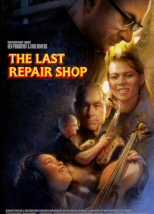
Winner of the Best Documentary Short Award, the film tells the story of four unassuming heroes who ensure no student is deprived of the joy of music. It is also a reminder of how music can be the best medicine, stress reliever and even an escape from poverty. Since 1959, Los Angeles has been one of the few United States cities to offer and fix musical instruments for its public school students at no cost. Those instruments, numbering around 80,000, are maintained at a Los Angeles downtown warehouse by a handful of craftspeople. The film profiles four of them, each specializing in an orchestra section, as well as students whose lives have been enriched by the repair shop's work. The film concludes with a performance by district alumni.
After returning from Afghanistan with severe depression and PTSD, Harry Turner went to the Peruvian Amazon to end his life. There, he met conservationist and scientist Samantha Zwicker, and through their work together raising orphaned wildlife he is finding a reason to live. 'Wildcat' takes viewers to the remote Las Piedras River to witness how two orphaned ocelots and the solitude of the rainforest help a young man and young woman with traumatic pasts. This feature-length documentary is an intimate, character-driven story about the impact of wild places on us - and our impact on them.
In changing seas and oceans, cephalopods like the cuttlefish and the giant Pacific octopus must rely on their remarkable intelligence to survive. Their alien appearance comes with astonishing resources, independence, and invention. And there's still so much to learn about these rarely seen legends of the deep.
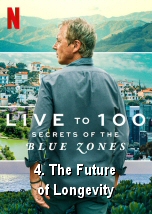
In the extraordinary final chapter, viewers are taken on a global journey to review regions renowned for their extreme longevity. From picturesque Sardinia to the serene landscapes of Okinawa and the vibrant community in Loma Linda, the film uncovers the secrets behind these remarkable Blue Zones. It offers a fascinating glimpse into the unique lifestyles and community dynamics that contribute to the residents' exceptional health and long lives, leaving viewers intrigued by the possibilities of enhancing their own well-being. The film doesn't stop at showcasing these remarkable places; it also delves into innovative approaches to improve public health. By highlighting initiatives like Singapore's Proximity Housing Grant and the transformative Blue Zones project, the episode encourages viewers to reflect on the impact of environment and policy on individual health. Ultimately, it leaves audiences pondering how they can adapt these life-enhancing principles to enrich their own lives.








.jpg "Montezuma")







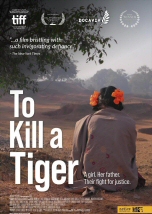







To Kill a Tiger offers the viewer remarkable access to village life, not just in the modest home where Ranjit’s family make roti on an open fire, but in the fields where they herd goats and collect water from a pump. The camera finds quiet details, like Ranjit’s daughter carefully weaving ribbons into her hair. Women and men insist that the community, not the criminal court, should solve the issue with a forced marriage—to remove the ‘stain on her’. The men become increasingly hostile—to the family, and eventually to the film crew itself.