From fears about work and privacy to a rivalry between the U.S. and China, the series explores the promise and perils of AI. It traces a new industrial revolution that will reshape and disrupt our lives, our jobs and our world, and allow the emergence of the surveillance society. Today, China leads the world in e-commerce and is a society that bypassed credit cards. Now shops in stores are without cashiers, where the currency is facial recognition. No country has ever moved that fast. And in a short two-and-a-half years, China's A.I. implementation really went from minimal amount to probably about 17 or 18 unicorns, that is, billion-dollar companies. The progress was powered by a new generation of ambitious young techs pouring out of Chinese universities, competing with each other for new ideas, and financed by a new cadre of Chinese venture capitalists.
We live under a billion unblinking eyes - a global surveillance system that solves crime and uncovers terrorist plots. But are we ready for a world without secrets - where not even our homes are off-limits and corporations know our every desire?
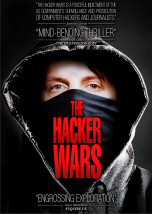
Ripped from international headlines, The Hacker Wars takes you to the front lines of the high-stakes battle over the fate of the Internet, freedom and privacy". Get ready to be shuttled between story lines at lightning speed mirroring the disjointed lives of the protagonists and life on the Internet. The Hacker Wars- a film about the targeting of (h)ac(k)tivists and journalists by the US government. Hacktivists are either terrorists or freedom fighters depending on ones perspective on who should control information. Meet weev, infamous hacker; Barrett Brown, journalist and propagandist for the hacktivist collective, Anonymous; and Jeremy Hammond, aka Anarchaos, number one on the FBI's cyber-criminal list. The fourth character is Sabu, the uber-hacker turned FBI informant who ran the FBI's cyber unit for 9 months and is responsible for many arrests. He is the shadowy protagonist in a high-stakes game of espionage and betrayal in the age of the Internet. Barrett Brown, American journalist, is facing 105 years in prison for publicizing information revealed through Jeremy Hammond's epic hacks. Hammond himself has just begun a 10-year prison term. Andrew Auernheimer, known by his hacker handle weev embarrasses large corporations. He was sentenced to 41 months for hacking AT&T, but his conviction was just overturned. He vows to continue doing what landed him in prison in the first place. These hacktivists are the rock stars of the Internetmodern-day folk heroes. Glenn Greenwald (Snowdon Leaks), Pulitzer Prize-winning journalist and others explain why these anti-heroes exposing the security surveillance state are essential to a functioning democracy.
In the third programme of the series, Aleks gives the lowdown on how, for better and for worse, commerce has colonized the web - and reveals how web users are paying for what appear to be 'free' sites and services in hidden ways. Joined by some of the most influential business leaders of today's web, including Eric Schmidt (CEO of Google), Chad Hurley (CEO of YouTube), Bill Gates, Martha Lane Fox and Reed Hastings (CEO of Netflix), Aleks traces how business, with varying degrees of success, has attempted to make money on the web. She tells the inside story of the gold rush years of the dotcom bubble and reveals how retailers such as Amazon learned the lessons. She also charts how, out of the ashes, Google forged the business model that has come to dominate today's web, offering a plethora of highly attractive, overtly free web services, including search, maps and video, that are in fact funded through a sophisticated and highly lucrative advertising system which trades on what we users look for. Aleks explores how web advertising is evolving further to become more targeted and relevant to individual consumers. Recommendation engines, pioneered by retailers such as Amazon, are also breaking down the barriers between commerce and consumer by marketing future purchases to us based on our previous choices. On the surface, the web appears to have brought about a revolution in convenience. But, as companies start to build up databases on our online habits and preferences, Aleks questions what this may mean for our notions of privacy and personal space in the 21st century















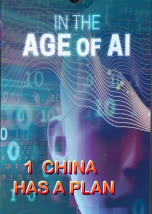







Today, China leads the world in e-commerce and is a society that bypassed credit cards. Now shops in stores are without cashiers, where the currency is facial recognition. No country has ever moved that fast. And in a short two-and-a-half years, China's A.I. implementation really went from minimal amount to probably about 17 or 18 unicorns, that is, billion-dollar companies. The progress was powered by a new generation of ambitious young techs pouring out of Chinese universities, competing with each other for new ideas, and financed by a new cadre of Chinese venture capitalists.