Trailblazing scientists are making ground-breaking discoveries in the rapidly evolving world of genetic engineering. Technologies like CRISPR are making it possible to quickly and cheaply change the DNA of all living things, including humans. Today, genes can be edited almost as easily as words on a computer screen. This new ability to alter our DNA holds the promise of curing disease , saving threatened species, solving the problem of world hunger and maybe even obtaining human perfection. But will the promise be fulfilled and at what cost? The ability to gain control of our DNA is ground-breaking and revolutionary but there are varying opinions among scientists as to how the technology should be used responsibly. This documentary follows the science as it progresses at a breakneck speed.
Cities are growing at a faster rate than any other habitat on Earth. They may seem an unlikely place for animals to thrive, but they can be a world of surprising opportunity. Leopards prowl the streets of Mumbai, peregrine falcons hunt amongst New York's skyscrapers, and a million starlings perform spectacular aerial dances over Rome. In Jodhpur, langurs are revered as religious deities and in Harar, locals live in harmony with wild hyenas. Many animals, however, struggle to cope in the urban jungle. As the architects of this environment, can humans choose to build cities that are homes for both them and wildlife?
An alarming decline in insect populations could devastate all life on earth. What's causing it, and can anything be done to stop it? Insects are disappearing across the world. If we lost our pollinators, we would lose 80 to 90% of the plants on the planet. That is not an option. It's the ecosystems on this planet that keep humans alive. Scientists warn us that the insect apocalypse is entirely possible.
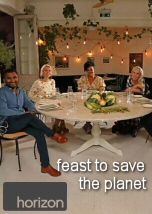
Master Chef judge Gregg Wallace and mathematician Dr Hannah Fry take over a restaurant and invite five special guests to enjoy a dinner party with a difference, where they will be scored on the carbon footprint of every dish they choose. Food accounts for a third of all greenhouse gas emissions, so making informed choices about what we eat is more important than ever. Gregg is with the kitchen team preparing delicious dishes and uncovering tips and tricks we can all use to cook more sustainably. Hannah is working with environmental scientists to reveal the carbon footprint of every single item on the menu and uncovering the latest research that can help us enjoy the food we love that doesn't cost the Earth.
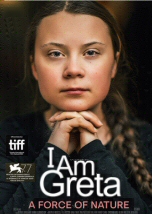
In August of 2018, Greta Thunberg, a 15-year-old student in Sweden, starts a school strike for the climate. Her question for adults: if you don't care about her future on earth, why should she care about her future in school? Within months, her strike evolves into a global movement. Greta, a quiet Northern-European girl on the autism spectrum is now a world famous activist. The team behind Greta has been following the young activist from her very first day of school striking. The documentary shows the international crusade of Greta on in her goal to get people to listen to scientists about the world's environmental problems.
2020 has been an unprecedented year in science. From a global pandemic and race to find a cure, to exploring our planetary neighbours and our own world, stay in the know with the latest stories that defined this tumultuous year. 365 days marked by stark warnings about the planet's future and technological triumphs. During this journey around the sun, science continued to reveal stories of our past and also provide promise that we can overcome the obstacles in way some far ahead and others more immediate.














The ability to gain control of our DNA is ground-breaking and revolutionary but there are varying opinions among scientists as to how the technology should be used responsibly. This documentary follows the science as it progresses at a breakneck speed.