Can skyscrapers be made safer, more efficient, and livable in our rapidly growing cities? Skyscrapers are gleaming symbols of prestige, and an ingenious way to save space in dense urban areas. But as buildings rise ever higher, what are the risks of these architectural behemoths? Do we truly know how they will hold up in earthquakes, fires and wind? What have--or haven’t—we learned from past tragedies? But even as we devise ways to defend them against potential disasters, can we also make them more livable, interactive, and eco-friendly?
It's 79 AD and Mount Vesuvius is about to blow. In 24 hours time, the people of Pompeii and Herculaneum are going to die. They will be part of the death toll of one of the worst natural disasters in history. Starting with a forensic examination of their remains, Bettany Hughes pieces together the final 24 hours of their lives in incredible detail.
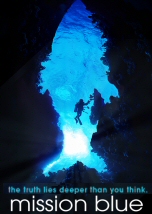
Legendary oceanographer and TED prize winner Dr. Sylvia Earle is on a mission to save our oceans. Mission Blue is part action-adventure, part expose of an Eco-disaster. More than 100 scientists, philanthropists and activists gather in the Galapagos Islands to help fulfill Dr. Earle's lifelong wish: build a global network of marine protected areas, like underwater national parks, to protect the natural systems that keep humans alive. As the expedition ends, the Deep water Horizon oil well explodes. With oil gushing into the Gulf of Mexico, Sylvia and an environmental dream team race around the world trying to defend her 'Hope Spots'.
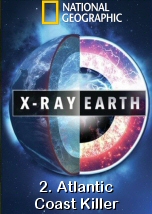
A mammoth Tsunami strikes the eastern seaboard. It would be a disaster of epic proportions. Some scientists believe this catastrophe could happen one day, but how? This episode shows the Atlantic island of La Palma has collapsed several times in mega-landslides. Another could trigger a tsunami with enough power to cross the Atlantic Ocean and decimate the US East Coast.
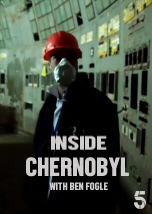
35 years after the Chernobyl disaster, Ben Fogle travels to the most radioactive place on Earth. He spends a week living alone inside the Chernobyl Exclusion Zone, gaining privileged access to the doomed Control Room 4 where the disaster first began to unfold. 'The planet faces unprecedented challenges - many of them, like Chernobyl, of our own making. What I've discovered in Chernobyl is that nature's reclaiming it. This is the greatest, accidental rewilding project of the globe. For me, the really exciting part of the Chernobyl story is the accidental hope that came from it. '
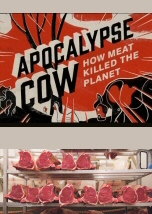
In a provocative documentary, environmental campaigner George Monbiot examines the disastrous impact that farming animals for meat has had on the planet. He argues that the biggest problem driving us towards global disaster is how we feed ourselves, particularly on meat George looks at alternative food sources, including synthetic meat, and a process that produces protein from just bacteria and air, and also explores revolutionary ideas that could change agriculture as we know it.






Do we truly know how they will hold up in earthquakes, fires and wind? What have--or haven’t—we learned from past tragedies? But even as we devise ways to defend them against potential disasters, can we also make them more livable, interactive, and eco-friendly?