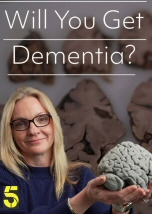
Dementia is one of the fastest-growing health conditions in the UK, yet its earliest warning signs can be difficult to recognise. NHS GP Dr Claire Taylor meets people living with Alzheimer’s and other forms of dementia, explores how the disease changes the brain, and puts herself through innovative tests designed to detect subtle problems with memory, hearing and cognition before more obvious symptoms appear. Along the way, she investigates why some people develop dementia at a younger age, how lifestyle and social isolation may influence risk, and what the latest research says about prevention and treatment. With moving personal stories and access to scientists working at the cutting edge of dementia research, the documentary asks a question that concerns millions: how much can we really know about our own future brain health?
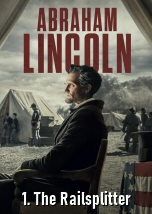
In the final episode of the series, the Civil War reaches its bloodiest and most decisive stage. After the Union victories at Gettysburg and Vicksburg, Abraham Lincoln becomes increasingly frustrated by generals who fail to destroy Robert E. Lee’s army and finally turns to Ulysses S. Grant, a commander willing to fight relentlessly until the Confederacy is defeated. At the same time, Lincoln pushes the nation beyond simply preserving the Union, supporting Black soldiers, confronting Frederick Douglass over their unequal treatment and making emancipation central to the meaning of the war. As casualties continue to mount, Lincoln faces the election of 1864, the fight to abolish slavery permanently through the 13th Amendment and the final collapse of the Confederacy. Lee’s surrender at Appomattox finally brings the long struggle toward its end, leaving Lincoln to consider how a divided nation can be reunited and what freedom will mean for millions of formerly enslaved people. But just as victory opens the possibility of a new beginning, his assassination transforms triumph into national tragedy and seals his place in American history.
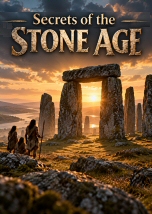
Around 12,000 years ago, humans began one of the most important transformations in history: the shift from hunting and gathering to farming and permanent settlements. Archaeological sites such as Gobekli Tepe reveal how these early communities lived, what they believed and how agriculture transformed diet, population and social life. Across Europe and the Middle East, prehistoric societies also created huge stone monuments, tombs and ceremonial sites, moving blocks weighing many tons with surprisingly limited technology. Presented here with both episodes combined into a single video, the documentary explores the birth of farming, organized communities, belief systems and monumental architecture during the Stone Age.
In the second episode, Abraham Lincoln faces the greatest crisis of his presidency as the Civil War engulfs the nation. With little military experience, he must learn rapidly how to act as commander in chief, challenge hesitant generals and make decisions that will determine the survival of the Union. As battlefield losses mount and the conflict grows more brutal, Lincoln comes to believe that defeating the Confederacy will require more than preserving the nation: slavery itself must be confronted. The episode follows Lincoln as he struggles with military setbacks, political pressure and the enormous human cost of war, while moving toward the Emancipation Proclamation as both a moral and strategic turning point. His relationships with commanders, advisers and abolitionist voices reveal a president evolving under extraordinary pressure, forced to balance principle with pragmatism as he transforms the meaning of the war and the future of the United States.
Click CC for subtitles. In the winter of 2021, K2 remained the last great prize of high-altitude mountaineering: the only 8,000-meter peak never climbed in winter. Icelandic climber John Snorri Sigurjónsson and the legendary Pakistani father-and-son team Ali and Sajid Sadpara arrive determined to claim that historic first, facing temperatures far below zero, hurricane-force winds, exhaustion and a mountain already infamous for killing even the strongest climbers. But the expedition soon becomes more than a battle against nature. Commercial teams, influencer climbers, professional film crews and a fiercely ambitious all-Nepalese team converge on the same slopes, turning the ascent into a tense contest of strategy, reputation and national pride. As the climb unfolds, the documentary exposes the changing culture of modern mountaineering: the pressure of social media, the commercialization of the world’s highest peaks, the unequal recognition historically given to Western climbers, and the determination of Nepali and Pakistani mountaineers to claim achievements in their own names. The race for the summit culminates in triumph for one team and tragedy for others, leaving five climbers dead and forcing survivors to confront questions of ambition, responsibility and what a “first” is really worth. Built from extraordinary footage shot during the expedition and testimony from those who were there, the film transforms one of mountaineering’s last untouched records into a gripping story about ego, class, nationalism, family and the deadly cost of pushing beyond human limits.
From a childhood marked by poverty on the American frontier to the presidency of a nation on the verge of collapse, this three-part historical biography traces how Abraham Lincoln became one of the defining figures in American history. Blending dramatic reconstruction with commentary from historians and political figures, it explores the ambition, empathy, wit and moral conviction that shaped his rise, his belief in democracy and equality, and the immense personal and political pressures that would eventually place him at the center of the struggle over slavery, union and the future of the United States. In the first episode, Lincoln’s journey begins far from power. Growing up in hardship, enduring the death of his mother and receiving little formal education, he develops a fierce determination to rise beyond obscurity. Through hard physical labor, self-education, storytelling and an emerging talent for public speaking, he begins to build the character and political instincts that will define him. His early encounters with slavery, his move into law and politics, and the relationships that shape his ambitions reveal the making of a man who is still searching for his place in the world, but already driven by the conviction that his life must amount to something.















Along the way, she investigates why some people develop dementia at a younger age, how lifestyle and social isolation may influence risk, and what the latest research says about prevention and treatment. With moving personal stories and access to scientists working at the cutting edge of dementia research, the documentary asks a question that concerns millions: how much can we really know about our own future brain health?