Travel to the far corners of the planet and discover the secrets of Earth’s few remaining untouched lands, all brimming with life. Isolated from the rest of the world, these places have been protected from the most damaging effects of human interference. In these lands, life exists as nature intended. Delicately balanced, species-rich, unique ecosystems. This series embarks on a breath-taking journey to Earth’s last Edens. Borneo is the richest rainforest island of all; home to 40,000 species of plants and animals. 6,000 of them are unique -- and more are discovered almost daily.
Science may soon make the dream of traveling to Mars a reality, but how will we live once we get there? How will we manage our basic human needs of food, water, and shelter on a planet known for its barren surface conditions, high radiation levels, and toxic dirt?
To survive Mars, our species will need to evolve how we eat, drink, and build our homes. Will we need our genes to evolve as well? Sometime in the future humans will leave Earth to colonize Mars, and in doing so will begin to adapt to life on another planet in surprising ways. Evolutionary biologist Dr. Scott Solomon foresees a series of changes to our species from the size of our hearts and heads to the pigments in our skin.
Garrett McNamara recovers from the injuries he sustained at Mavericks and begins training to return to Nazaré for another season. While surfing at Indonesia's G-Land site, Garrett suffers more injuries that threaten to take him off the waves permanently. Meanwhile, a friend of Garretts catches an 80-foot wave at Nazaré, taking the world record from McNamara. McNamara resolves to continue his hunt for a 100-foot wave.
In this series, we will explore how we can survive Mars. Our species will need to evolve how we eat, drink, and build our homes. In the first episode, humans seem to be on the cusp of reaching Mars, but how did we get to this point? Our journey to our neighboring planet traces a path connecting Nikola Tesla, Nazi weapons of war, a Cold War space race, and a string of blockbuster discoveries made by some of NASA’s most talented robots.
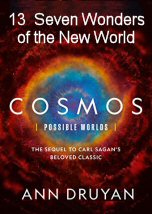
The final episode of the series ponders the fate of planet Earth. Neil deGrasse Tyson opens with a reflection on science and those who help us understand it: 'We all feel the weight of the shadows on our future, but in another time, every bit as ominous as our own, there were those who could see a way through the darkness to find a star to steer by.' The young Carl Sagan and Neil Tyson first discovered their passion for science at the NY World's Fairs of the past. We visit the dazzling Pavilions of the 2039 NY World's Fair, where problems we currently think intractable have been plausibly solved through public commitment and scientific imagination. And our baby is a woman now, with a baby of her own and a future bright with possibilities.
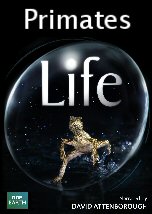











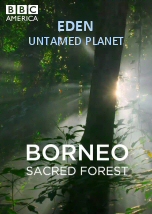




Borneo is the richest rainforest island of all; home to 40,000 species of plants and animals. 6,000 of them are unique -- and more are discovered almost daily.