This gripping five-part docuseries marks the 50th anniversary of the fall of Saigon, revealing how a distant war redefined two nations. With unseen footage, candid interviews, and damning presidential recordings, it exposes the political manipulation, battlefield tragedies, and societal fractures that shaped the Vietnam War. From Washington’s strategic missteps to the raw trauma of those on the ground, it shows how the conflict shattered trust in government and left wounds that still resonate today. The first three episodes trace the war’s slow ignition and its rapid spiral into chaos. They take viewers deep into the secretive early stages of the U.S. military buildup, then shift to the complex realities inside Vietnam, with personal accounts from soldiers on both sides. The series then confronts the shock of the Tet Offensive and the atrocities of Mỹ Lai, dismantling the illusion of a winnable war. These opening chapters set a powerful tone—intimate, harrowing, and unflinchingly honest.
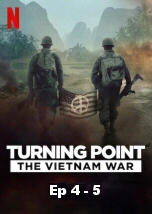
In Episodes 4 and 5, the war reaches a brutal turning point. As the Tet Offensive erupts, Hunter embeds with American and South Vietnamese troops caught completely off guard. What unfolds is raw, unfiltered chaos—urban combat in shattered cities, desperate ambushes in the jungle, and a shocking realization that the war is far from over. Through Hunter’s lens, we see not just the front lines, but the crumbling morale, the divided home front, and the faces of those questioning what they’re fighting for. These episodes pull you straight into the eye of the conflict—and what you’ll witness will stay with you forever.
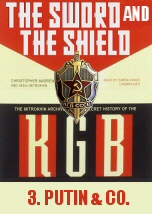
Although the end of the Soviet Union also meant the end of the KGB, it did not mean the end of secret service activities. FSB and the foreign intelligence service SVR took over the tasks. Under the secret service officer Vladimir Putin, the tasks of the secret service were redefined, and digital age with the Internet brought new possibilities for internal and external espionage and for the manipulation of public opinion. Coup d'etats, assassinations, sex scandals, radioactive poisoning....it's the stuff of a Bond movie. But in today's Russia, it's all very real. Under Vladimir Putin, the FSB rules Russia with an iron rod directly from the Kremlin. To challenge its authority, even from apparent safety abroad, means risking your life. The KGB has even managed to outlive communism itself. Today, Russia is no longer a State with a Security Service: instead, the Security Service has a State.
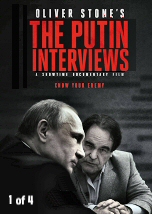
Oscar-winning filmmaker Oliver Stone was granted unprecedented access to Russian president Vladimir Putin during more than a dozen interviews over two years, with no topic off-limits. This remarkable four-part documentary series provides intimate insight into Putin's personal and professional lives, from his childhood under communism, to his rise to power, his relations with four U.S. presidents, and his surprising takes on U.S.-Russian relations today. Witness the most detailed portrait of Putin ever granted to a Western interviewer.
Witness the most detailed portrait of Putin ever granted to a Western interviewer. This series provides intimate insight into Putin's personal and professional lives, from his childhood under communism, to his rise to power, his relations with four U.S. presidents, and his surprising takes on U.S.-Russian relations today. Oscar-winning filmmaker Oliver Stone was granted unprecedented access to Russian president Vladimir Putin during more than a dozen interviews over two years, with no topic off-limits.
Putin thinks that the West must understand that today's Russia cannot function exactly as the West does, already. Putin also explains his views on NATO, and cannot see any reason to why this military alliance has grown after the fall of Communism in Europe. When Stone asks about Putin's views on Edward Snowden and whether he is a traitor or not, Putin replies, 'No he is not, as he never has worked for any foreign country,' and also claims that Russian intelligence does not know anything more than what Snowden already had leaked before he arrived at Moscow.










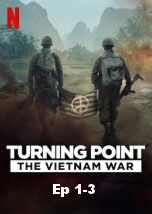








The first three episodes trace the war’s slow ignition and its rapid spiral into chaos. They take viewers deep into the secretive early stages of the U.S. military buildup, then shift to the complex realities inside Vietnam, with personal accounts from soldiers on both sides. The series then confronts the shock of the Tet Offensive and the atrocities of Mỹ Lai, dismantling the illusion of a winnable war. These opening chapters set a powerful tone—intimate, harrowing, and unflinchingly honest.