How can we cope with the tricky coronavirus now rampant worldwide? As the pandemic tightens its grip on the world, there are important unanswered questions about this novel virus: Why does this infection spread so rapidly from people with no symptoms? Why do some people become critical while others don't? Will a definitive treatment be found? The underlying key to these questions lie in our immune system. Immune cells are microscopic warriors, combating viruses and another pathogens. Through the high-tech 'eyes' of next-generation microscopes and computer-generated imagery, we will see how our immune defense corps combat against microbes and what mechanism is expected to help develop treatment.
The written word is so important in everyday life that there can be few more radical acts than forcing an entire nation to learn a new script. Yet that is what happened in Turkey in 1928 when Mustafa Kemal decreed that the Arabic script would be replaced by the letters of the Latin alphabet. Communication with computers using human language is usually made with Latin letters. This is how most Chinese people interact with their computers and smart phones, using a Latin-based phonetic script called Pinyin. As a result, even highly educated Chinese are losing the ability to write using Chinese characters. Could what is happening in China be the future of writing everywhere?
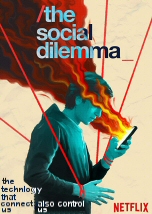
Set in the dark underbelly of Silicon Valley, The Social Dilemma fuses investigative documentary with enlightening narrative drama. Expert testimony from tech whistle-blowers exposes our disturbing predicament: the services Big Tech provides-search engines, networks, instant information, etc.-are merely the candy that lures us to bite. Once we're hooked and coming back for more, the real commodity they sell is their prowess to influence and manipulate us.
From the first transistor to deep learning networks, the rise of computing power over the last 50 years has been so phenomenal it's changed everything from the way we communicate to how our appliances interact. Fuelled by giant leaps forward in computer technology, the race is on. As the progress of machines continues to accelerate, so will the pace of change.
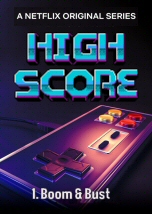
This series traces the history of classic video games, featuring insights from the innovators who brought these worlds and characters to life. In the first episode, Space Invaders and Pac-Man lead an arcade craze, while Atari's cartridge system dominates home gaming until high-profile failure sparks a downfall.
A Japanese playing card company called Nintendo enters gaming. To stay competitive in a modernizing Japan, their portfolio expanded to include toys and into the arcade. And the company hit it big with Donkey Kong and Super Mario, then later takes over home gaming with the Nintendo Entertainment System.


























Through the high-tech 'eyes' of next-generation microscopes and computer-generated imagery, we will see how our immune defense corps combat against microbes and what mechanism is expected to help develop treatment.