This series documents various stories about exposing the greed and crime spreading through the global economy. Filmmaker Alex Gibney tells stories of corporate corruption, securities fraud and creative accounting. In the first episode, Gibney reveals shocking new details about Volkswagen's corporate deceit, and exposes the unholy alliance between governments and automakers that allowed the automaker to put tens of thousands of lives at risk - all for the sake of a $500 part.
Since the original series went on the air in 1966, the Star Trek franchise has had a history of ups and downs in the toy business - from AMT's faithful scale model kit of the USS Enterprise to Remco's obscure tie-in merchandise, to Mego's best–selling action figure line. Following Mego's bankruptcy in 1983 and a string of flops by Ertl and Galoob, Playmates Toys picked up the toy license in the late 1980s and sparked a resurgence in the franchise's toy sales. From the mid-2000s onwards, companies such as Art Asylum and McFarlane Toys continue to keep the Star Trek toy franchise alive.
In 1983 Hasbro bought the license of the Diaclone and Micro Change toys from Takara, then commissioned Marvel Comics to come up with a story-line and character names for the toys. The result: Transformers. Despite Tonka releasing the cheaper Gobots line six months earlier, Hasbro's Transformers took the toy market by storm in 1984, raking in US$150 million that year. At the peak of the toy line's popularity, The Transformers: The Movie hit theaters to further capitalize on its success, but the film polarized fans and collectors with the death of Optimus Prime and majority of the original characters. As Hasbro took full control of Transformers from Takara by the late 1980s, sales declined until the toy line was discontinued in 1991. After the failed Generation 2 reboot, Beast Wars rejuvenated the franchise in 1995. In 2007, the live-action Transformers film solidified Transformers' position as Hasbro's flagship toy line.
In 1949, after decades of making wooden furniture and toys, Ole Kirk Christiansen's small factory in Billund, Denmark, moved to plastic and created the 'Automatic Binding Bricks', which would later be known as LEGO. When the company patented the tube system in 1958, LEGO became the dominant toy line worldwide throughout the 1960s and 1970s. When other competitors capitalized on the expiration of the company's patents in the 1980s, LEGO faced stiff competition until they reported their first loss in 1998. Poor business decisions with film licenses and the failure of the Jack Stone and Galidor lines brought LEGO to near-bankruptcy until Jørgen Vig Knudstorp took over the company and, by bringing it back to its roots, rejuvenated LEGO's profits. By the time The Lego Movie hit theaters in 2014, LEGO became the largest toy franchise in the world.
Bitcoin, the beautiful anonymity of cash, but cash that wasn't printed by governments. Instead, it was made by a bit of code, powered by citizens of the internet, and you could trust it. Today, anyone can buy cryptocurrency. A few signups, type in your credit card number, and trade in your money for digital cash. And with a few more steps, you can use Bitcoin to buy what the majority of Bitcoin is spent on: Illegal services. Virtual currencies can pose challenges for law enforcement, given the appeal they have among those seeking to conceal. Is digital cash the next revolution? Learn about this anonymous currency and why it's so coveted.
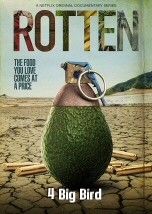
Today, worldwide, we each eat 27 pounds of chicken a year. Chicken's astonishing growth has been propelled and satisfied by a business that creates lives, and harvests them, at breathtaking speed and volume. But now the massive scale of production has exposed those in the chicken business to dangers large and small. The ruthlessly efficient world of chicken production pits vulnerable growers against each other and leaves them open to vicious acts of sabotage.



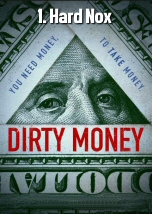




In the first episode, Gibney reveals shocking new details about Volkswagen's corporate deceit, and exposes the unholy alliance between governments and automakers that allowed the automaker to put tens of thousands of lives at risk - all for the sake of a $500 part.