In the final three episodes of the series, the image of elite discipline surrounding the SS is stripped away to reveal a far darker and more disturbing reality. Behind the façade of military excellence lay poorly trained recruits driven not by honor, but by blind ideology and a complete absence of remorse. As their role expands from the battlefield to the brutal control of concentration camps, the narrative exposes how ordinary men became perpetrators of systematic violence, carrying out atrocities with chilling efficiency while maintaining the appearance of normal lives beyond their crimes. These episodes push further into the unsettling contrast between barbarity and everyday existence, showing how members of the SS could participate in unimaginable acts and then return to social settings as if nothing had happened. The story then draws a direct line to the present, confronting the uncomfortable truth that, despite overwhelming historical evidence, remnants of admiration and myth still persist in certain circles. It’s a gripping and unsettling conclusion that forces viewers to question how such distortion of memory can endure—and why it still matters today.
A documentary that follows Andre Ricciardi after a devastating diagnosis, turning what could be a story of despair into something unexpectedly disarming, honest, and even darkly funny. Confronted with his own mortality—and haunted by the simple decision he didn’t make in time—Andre reflects on his life with brutal self-awareness, calling himself an idiot while refusing to surrender to self-pity. Through candid conversations and intimate moments, the film captures his determination to face the inevitable with curiosity, wit, and a stubborn refusal to look away. What unfolds is far more than a personal story about illness. It becomes a deeply human exploration of regret, responsibility, and the fragile line between tragedy and humor. As Andre navigates his final chapter, his perspective challenges everything we expect from stories about death, offering something rare: a raw, thought-provoking, and unexpectedly uplifting experience that stays with you long after it ends.
This behind-the-scenes documentary offers an exclusive first look at HBO’s new television adaptation of the Harry Potter books, discovering how a new series is being built for a new generation. Narrated by Nick Frost, who plays Hagrid in the series, it opens the doors to the creative process behind the first season, from the search for the new young cast to the design of Hogwarts, the teachers, the costumes, the creatures and the magical world being carefully reimagined for television. Through interviews with key cast members and craftspeople, the documentary reveals the scale, responsibility and emotion behind bringing such an iconic story back to the screen. It is a fascinating preview for anyone curious about how the filmakers intends to transform the beloved books into a long-form series, showing the artistic care, technical ambition and enormous pressure involved in creating a new version of this legendary universe.
In the final two episodes, you’ll witness the most decisive moments of the journey as relationships move closer to real outcomes. Connor takes further steps with growing confidence, while James continues searching for a meaningful connection, balancing hope with moments of doubt. Madison faces more personal and emotional situations, opening up even more as she explores what she truly wants in a relationship. At the same time, the newer participants push themselves into more challenging situations. Logan continues stepping outside his comfort zone in pursuit of a genuine bond, Emma navigates deeper emotional highs and lows, and Dylan shows clear progress as he gains confidence with each experience. These episodes focus on honest decisions, emotional growth, and the reality of finding love, delivering moments that feel authentic, intense, and highly engaging.
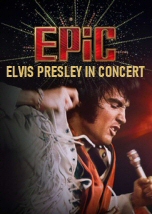
A powerful portrait of Elvis Presley emerges through restored concert footage, rare archival material, and previously unseen recordings that bring his live performances back to life with striking clarity. The film captures the raw energy of his stage presence, from explosive crowd reactions to the precision and emotion in his voice, showing why he became the defining figure of rock and roll. Alongside the performances, it offers glimpses into the pressure, fame, and intensity surrounding him at the height of his career. Built around authentic concert moments and newly uncovered material, this is a direct, immersive look at what it felt like to witness Elvis Presley live. The camera places you inside the experience, revealing both the scale of his impact and the personal side of an artist constantly under the spotlight. It is a focused and engaging tribute that reconnects you with the sound, the atmosphere, and the legend as it truly was.
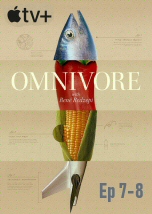
In the last two episodes of this series, you can see how coffee and corn open the door to stories far beyond what we consume every day. From the demanding journey of the coffee bean—shaped by history, craftsmanship and human effort—to the rise of corn from a sacred crop to a dominant force in global food systems, these episodes reveal how simple ingredients carry profound meaning. What begins as a look at familiar foods quickly becomes a deeper exploration of culture, industry and survival, uncovering the fragile balance behind what we eat and leaving a lasting sense of how much is at stake in the most ordinary things.





These episodes push further into the unsettling contrast between barbarity and everyday existence, showing how members of the SS could participate in unimaginable acts and then return to social settings as if nothing had happened. The story then draws a direct line to the present, confronting the uncomfortable truth that, despite overwhelming historical evidence, remnants of admiration and myth still persist in certain circles. It’s a gripping and unsettling conclusion that forces viewers to question how such distortion of memory can endure—and why it still matters today.