An examination of the heavy metal music subculture that tries to explain why, despite the longevity and popularity of the genre, fans are marginalized and ridiculed for their passion. Sam Dunn is a anthropologist and a lifelong metal fan. After years of studying diverse cultures, Sam turns his academic eye a little closer to home and embarks on an epic journey into the heart of heavy metal. His mission: to figure out why metal music is consistently stereotyped, dismissed and condemned, even while the tribe that loves it stubbornly holds its ground -- spreading the word, keeping the faith and adopting styles and attitudes that go way beyond the music. Sam visits heavy metal landmarks as far flung as L.A.'s Sunset Strip, the dirty streets of Birmingham and the dark forests of Norway. Along the way, the two sides of Sam Dunn -- curious anthropologist and rabid fan -- collide, as Sam explores metal's obsession with sex, religion, violence and death, meets his heroes, and discovers some things about the culture that even he can't defend.
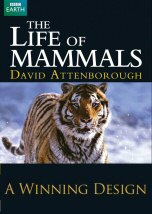
The fifth programme explores the alliances formed between the animal and plant worlds. Attenborough dives into Australia's Great Barrier Reef and contrasts the nocturnal feeding of coral, on microscopic creatures, with its daytime diet of algae. Some acacias are protected by ants, which will defend their refuge from any predator. Besides accommodation, the guards are rewarded with nectar and, from certain species, protein for their larvae as well. Fungi feed on plants but can also provide essential nutriment to saplings (Mycorrhiza). The connection is never broken throughout a tree's life and a quarter of the sugars and starches produced in its leaves is channelled back to its fungal partners. Meanwhile, fungi that feed on dead wood leave a hollow trunk, which also benefits the tree. Orchids enjoy a similar affiliation. Lichens are the product of a relationship between fungi and a photosynthetic associate, usually algae. They are extremely slow-growing, and a graveyard is the perfect location to discover their exact longevity. Mistletoe is a hemiparasite that obtains its moisture from a host tree, while using own leaves to manufacture food. Its seeds are deposited on another by the mistletoe tyrannulet, following digestion of the fruit. The dodder (Cuscuta) is also parasitic, generally favouring nettles, and siphons its nourishment through periodic 'plugs' along its stem. The rafflesia has no stem or leaves and only emerges from its host in order to bloom — and it produces the largest single flower: one metre across.
To maximize longevity, you might think it’s best to play it safe and stay cozy. But some scientists believe we should do the opposite, as exposure to extreme temperatures can trigger our bodies’ own defenses against the killer diseases of old age. Chris heads for the freezing Arctic with his brothers Liam and Luke to take on the ultimate cold therapy.
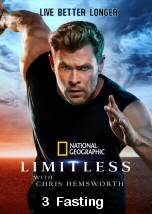
Chris turns to longevity doctor Peter Attia to find out how changing his eating habits can help his quest for longevity. Ironically, the answer is to eat no food at all for four long days. If he can bear the hunger, fasting will unlock his body’s own anti-aging powers and give Chris the edge he needs when he tries to hunt for his next meal … by spearfishing off the Great Barrier Reef.
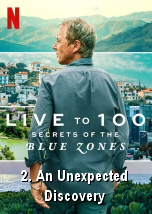
In the interesting second episode, we embark on a journey to the picturesque island of Sardinia. Here the people live in harmony with the land and with one another. Learn about this effortless lifestyle where work and play seem to be united and the result is longevity. In this episode, the documentary also explores the unexpected discovery of unusual longevity in a North American suburb. Their lifestyles, dietary habits, and sense of community contribute to the remarkable longevity observed in these regions. The importance of a plant-based diet, social connections, and positive health behaviors is highlighted, offering viewers valuable insights into leading a longer, healthier life. Join us as we uncover the unexpected secrets that may forever change the way we approach health and happiness.
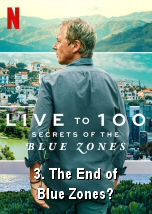
In this eye-opening film, viewers are taken on a journey to explore the secrets behind the longevity of communities like the Greek island of Ikaria and Nicoya, Costa Rica. Discover how they do it with simple foods and exercise that are fully integrated into daily life. This series prompts viewers to reflect on their own lifestyle choices and consider how they can adopt some of these lessons to live longer, healthier lives. The third installment of the series is a must-watch for anyone interested in the pursuit of a more fulfilling life and provides valuable insights into the importance of community, diet, and lifestyle factors in achieving longevity. It serves as a reminder that we can all make positive changes in our lives to enhance our well-being and potentially extend our lifespan. Don't miss the opportunity to be inspired by the wisdom of Blue Zones in this thought-provoking film.



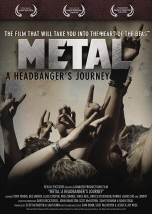
Sam Dunn is a anthropologist and a lifelong metal fan. After years of studying diverse cultures, Sam turns his academic eye a little closer to home and embarks on an epic journey into the heart of heavy metal. His mission: to figure out why metal music is consistently stereotyped, dismissed and condemned, even while the tribe that loves it stubbornly holds its ground -- spreading the word, keeping the faith and adopting styles and attitudes that go way beyond the music.
Sam visits heavy metal landmarks as far flung as L.A.'s Sunset Strip, the dirty streets of Birmingham and the dark forests of Norway. Along the way, the two sides of Sam Dunn -- curious anthropologist and rabid fan -- collide, as Sam explores metal's obsession with sex, religion, violence and death, meets his heroes, and discovers some things about the culture that even he can't defend.