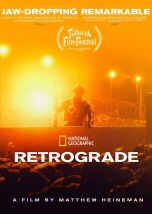
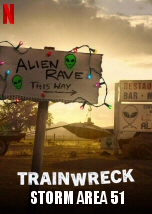
What starts as a late-night Facebook joke spirals into a viral movement that captures the imagination of millions — with memes about running past bullets like anime heroes, and dreams of uncovering alien secrets. Internet legends, conspiracy theorists, and curious thrill-seekers descend on the Nevada desert. But when the U.S. military steps in and the FBI shows up at the prankster’s door, it becomes clear this is no longer just an internet joke. Locals brace for chaos, and what unfolds is a surreal mix of comedy, tension, and unexpected unity. Both episodes are available to watch together in a single, uninterrupted video—don't miss this wild journey into the heart of viral culture.
Why are ultra-processed foods so irresistible, and how they have come to dominate food culture? Dr Chris van Tulleken features interviews with former food industry insiders who talk openly about the way in which popular foods have been designed to be irresistible. Food companies go to extraordinary lengths to ensure their products connect with consumers - from using brain scans to assess the deliciousness of ice cream to carefully engineering the sound of a crunch. Ultra-processed foods are hyper-delicious and super-convenient, have long shelf lives and are extremely cheap. But a growing body of evidence is linking these products to our declining health.
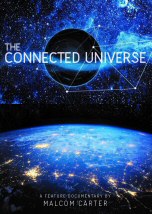
Jessie Buckley narrates the extraordinary story of the first transatlantic communications cable. In 16 August 1858, a short message is telegraphed from County Kerry to Newfoundland, 3,000km away: ‘Europe and America are united by telegraph. Glory to God in the highest, on earth peace, good will towards men.’ The Morse code message is conducted along the new underwater transatlantic telegraph cable laid across the bed of the Atlantic Ocean. Sending the same message by ship would have taken at least ten days, but the transmission takes just hours and heralds the dawn of the modern communications age. The quest is driven by visionaries and pioneers. Among them are Cyrus Field, a wealthy businessman who, despite his immense success, ends his life in poverty; Samuel Morse, inventor of the telegraph and Morse code; Isambard Kingdom Brunel, the British engineer who pushes boundaries and budgets; and Belfast physicist Lord Kelvin, who calculates how to achieve what had hitherto been deemed impossible. Together, their ingenuity and relentless pursuit helps realise one of the great scientific accomplishments of their age for which Valentia, on Ireland’s remote western coast, is ground zero.
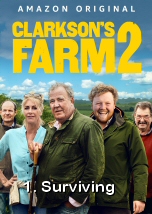
Another year in the life of Diddly Squat Farm, run by Jeremy Clarkson, Britain's best-known but least-qualified amateur farmer. Season 2 of Clarkson’s Farm promises to be even better than the first as Clarkson and his rag tag group combat the public, the council, and the government. In the first episode, Clarkson attempts to diversify his farm's revenue sources (having made only £144 in the previous year) in an effort to increase his profits. He decides that his primary way of doing this will be a new herd of cows and promptly purchases several of the animals. However, the timing of when they will bring in money and the necessity of building an enclosure for them causes problems for Jeremy and Charlie. Meanwhile, inspired by the success of the farm shop, Clarkson has the idea to open a restaurant in the abandoned lambing barn to sell his beef and lamb, but he must deal with the cost of converting the barn and getting approval from the local council.
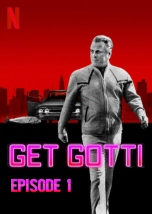
Told from both sides of the law, this documentary series follows the FBI's battle to bring down infamous mob boss John Gotti, widely regarded as one of the most dangerous figures in the history of organized crime. Through the testimonies of journalists, real-life personalities who helped take down him, and even former mobsters, the showrunners tell the tale of Gotti’s rise to prominence and his subsequent downfall. The film features archival footage, audio tapes and exclusive interviews. In the first chapter, when Paul Castellano, the head of the Gambino crime family, is murdered on a busy street, there's only one suspect: his former protégé John Gotti.
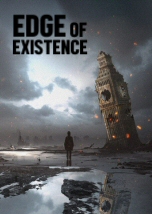
The risk of human extinction has never been higher. Recent years have seen a global pandemic, a renewed nuclear threat and runaway climate change. New research predicts a 1 in 6 chance that life as we know it won't make it to the end of this century. This compelling science documentary looks at the greatest risks to humanity and what we can do about it. Are we all doomed?








Both episodes are available to watch together in a single, uninterrupted video—don't miss this wild journey into the heart of viral culture.