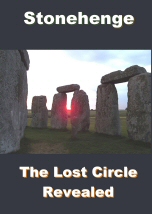
Using cutting-edge research, a dedicated team of archaeologists has compiled the evidence to fill in a 400-year gap in man's knowledge of the bluestones of Stonehenge. By combining innovative 3D scanning techniques, traditional field archaeology and novel laboratory analysis, the team has discovered where the stones were quarried and where they first stood. Professor Alice Roberts shows how the team made its discoveries and joins Professor Mike Parker Pearson to piece together the final parts of the puzzle, solving one of the toughest challenges ever faced by archaeologists.
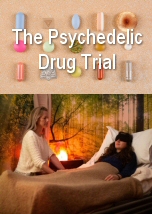
A ground-breaking new trial at Imperial College London sees, for the first time ever under controlled conditions, a psychedelic drug tested head-to-head against a standard antidepressant as a treatment for depression. The film follows a pioneering team of scientists and psychotherapists as they compare the effects of psilocybin (the active ingredient of magic mushrooms) with an antidepressant on a small group of participants with clinical depression. This is scientific research at its most cutting edge. With over seven million people being prescribed antidepressants each year in England alone, this drug trial is an important milestone in understanding a completely different treatment for depression. How do psychedelic drugs measure up against the industry-standard antidepressants that have been popular since the 1990s? The empirical results of the trial are explored alongside the participants’ powerful lived experience.
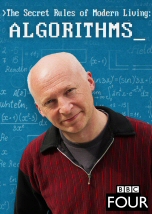
Without us noticing, modern life has been taken over. Algorithms run everything from search engines on the internet to satnavs and credit card data security - they even help us travel the world, find love and save lives. Professor Marcus du Sautoy demystifies the hidden world of algorithms. By showing us some of the algorithms most essential to our lives, he reveals where these 2,000-year-old problem solvers came from, how they work, what they have achieved and how they are now so advanced they can even programme themselves.
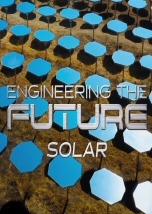
We face one of the greatest challenges in the history of humanity, to eliminate the fuels that have driven progress and technology for over a century, while our thirst for energy only grows. The sun is the biggest source of energy in the solar system. It's like a nuclear reactor in the sky, and it provides endless power. If we can harvest just fractions of this, it can power all our consumption. Innovators are searching for new ways to capture more of the sun’s power, and make it available through the night, everywhere.
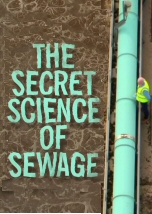
Dr George McGavin and Dr Zoe Laughlin set up base camp at one of the UK's biggest sewage works to investigate the revolutionary science finding vital renewable resources and undiscovered life in human waste. Teaming up with world-class scientists, they search for biological entities in sewage with potentially lifesaving medical properties, find out how pee can generate electricity, how gas from poo can fuel a car and how nutrients in waste can help solve the soil crisis. They follow each stage of the sewage treatment process, revealing what the stuff we flush can tell us about how we live today, and the mind boggling biotechnology being harnessed to clean it, making the wastewater safe enough to return to the environment.
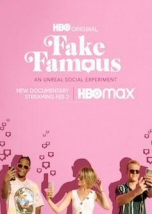
What do you want to be when you grow up? For decades, when researchers asked kids this, the answer was often the same. Today, kids say they want to be famous. Fake Famous is the true story of a social experiment that reveals what’s really happening behind-the-scenes of influencer fame. The film follows an actress, fashion designer and real estate assistant who attempt to become social media influencers by purchasing fake followers and bots to boost their popularity.









Professor Alice Roberts shows how the team made its discoveries and joins Professor Mike Parker Pearson to piece together the final parts of the puzzle, solving one of the toughest challenges ever faced by archaeologists.