The Tyrannosaurus Rex is known as the king of the dinosaurs, but how did its reign begin? Meet Moros Intrepidus, a 180 lb., deer-sized ancestor to the T-Rex. Learn how the latest in palaeontology can now link this small dinosaur to the 19,000-pound Scotty, the largest T-Rex ever discovered. We're filling in gaps in the history of well-known dinosaurs and we're finding specimens of even the most famous dinosaur that are telling us new things about their biology, about their growth, about their size, that we didn't know before. We are nowhere at the end of learning about dinosaurs and in generations to come, we will be knowing things about the lives of these ancient creatures that would probably blow our minds.
Earth's surface is covered in weird and wonderful patterns. The Australian outback is covered in pale spots, the work of wombats; a clearing in the endless green canopy of the Congo rainforest has been created by an incredible elephant gathering; and the twists and turns of the Amazon make a home for rehabilitated manatees. This is our home, as we've never seen it before.
Longtime friends Joshua Fields Millburn and Ryan Nicodemus share how our lives can be better with less. The film's title was inspired by the popular maxim 'Less is more,' popularized by architect Ludwig Mies van der Rohe, who used this aphorism to describe his design aesthetic; his tactic was one of arranging the necessary components of a building to create an impression of extreme simplicity. The Minimalists have reworked this phrase to create a sense of urgency for today's consumer culture: now is the time for less.
How is the universe put together? How is it built? And how does it actually work? How the Universe Works Series 8 shows the inner workings of our planet, the solar system, the galaxies and the universe itself. In the first episode, if a massive asteroid collides with earth, it could end life on our planet as we know it. New discoveries and cutting-edge tech reveal just how close we are to apocalypse and what it would take for the world's leading space agencies to stop it.
The climate is changing faster than ever, which is why 'fix our climate' is one of the five goals of the Earthshot Prize. Prince William, Sir David Attenborough and Christiana Figueres highlight inspiring and often unexpected solutions to the challenge. In this film, we'll explain the scale of the problem posed by climate change and will introduce you to some amazing people already working on climate crisis. One of these three finalists will win the Earthshot Prize and get the platform and resources they need to scale their ground-breaking work. Nine more solutions for fixing our climate will receive the same support over the course of this decade.
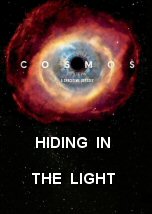
Professor Brian Cox journeys across the vastness of time and space revealing epic moments of sheer drama that changed the universe forever. The series begins this epic exploration of the cosmos with a hymn to the great luminous bodies that bring light and warmth to the universe: the stars. It is estimated that there are two hundred trillion stars in the universe, each playing their part in an epic story of creation- a great saga that stretches from the dawn of time, with the arrival of the first star, through diverse generations until the arrival of our own star, the sun, and a civilization that has grown up in its light.














We're filling in gaps in the history of well-known dinosaurs and we're finding specimens of even the most famous dinosaur that are telling us new things about their biology, about their growth, about their size, that we didn't know before. We are nowhere at the end of learning about dinosaurs and in generations to come, we will be knowing things about the lives of these ancient creatures that would probably blow our minds.