The film follows the story of Abu Zubaydah, the first high-value detainee subjected to the CIA's program, of Enhanced Interrogation Techniques (EITs), later identified as torture by those outside the agency. Having never been charged with a crime or allowed to challenge his detention, Zubaydah remains imprisoned at Guantánamo Bay in Kafkaesque limbo, in direct contravention of America’s own ideals of justice and due process. Twenty years on, The Forever Prisoner reveals the origins of the clandestine operations that led the United States, in the 'War on Terror,' on a path of cruelty, deceit, and self-deception. With first-hand accounts from the two interrogators to question Abu Zubaydah, a shocking interview with the chief architect of EITs, and an interview with Daniel Jones, former Senate Investigator, the film uncovers the incompetent and deceptive practices that the U.S. government followed in order to expedite and legalize EITs in the aftermath of 9/11. As a result, torture as a government policy was authorized by the United States for the first time in history.
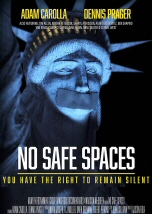
The First Amendment and the very idea of free speech are under attack in America today. A growing number of Americans don't believe you have the right to speak your mind if what you have to say might offend someone, somewhere. They advocate for 'safe spaces' in which people won't be offended by ideas they may find troubling. But is that what America is about? In No Safe Spaces, comedian and podcast king Adam Carolla and radio talk show host Dennis Prager travel the country, talking to experts and advocates on the left and right, tour college campuses, and examine their own upbringings to try to understand what is happening in America today and what free speech in this country should look (and sound) like.
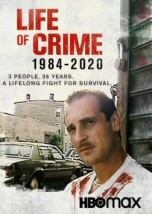
A relentless ride through the streets and prisons of Newark, New Jersey's largest city, and desperate fight to survive the deadliest enemy ever to attack America. The film examines the highs and lows of the vicious cycles of drug addiction and street crime in one of the roughest parts of New Jersey.
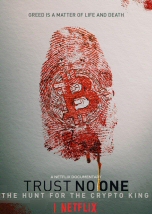
This is the story of Gerald Cotten and the many people who ended up with empty bank accounts after investing in his Bitcoin cryptocurrency exchange, QuadrigaCX. What does a crypto exchange do? The movie explains it concisely and it almost makes sense: A guy like Cotten takes an investment, converts it to Bitcoin and trades it in hopes of turning a profit, kind of like a stock day trader does. Cotten ’s described as a nerdy guy who felt like an outcast, but found a community of like-minded types in the cryptocurrency world. Cotten was in India when he got sick and unexpectedly died; he was 30. At the time, QuadrigaCX was Canada’s biggest crypto exchange, holding north of $200 million. But nobody could access the keys and passwords to the company’s accounts and, against conventional wisdom, the company had no safeguards to stop such a thing from happening. Everyone who invested their money was left grasping at empty air. Internet forums foster ideas such as Cotten faked his death and took the money. The journalists and forensic accountants who lend the voice of reason, explores the oddities in the Cotten narrative, ruling out some of the crazier stuff in a quest for the truth.
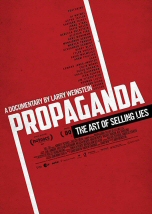
As media outlets become increasingly polarised, and as social media rules information feeds, where does propaganda come into play? This documentary demystifies the predominant methods of persuasion employed by those seeking power, analysing the present day and contextualising it by looking back at periods when propaganda defined nations and kept populations in check.
How did the Chinese government turn pandemic cover ups in Wuhan into a triumph for the Communist party? Award-winning filmmaker Nanfu Wang recounts the experiences of people on the ground in the earliest days of the novel coronavirus and the way two countries dealt with its initial spread, from the first days of the outbreak in Wuhan to its rampage across the United States. The film explores the early confusion and parallel campaigns by authorities to try to contain the virus as well as shape the public narrative through misinformation, resulting in a devastating impact on citizens of both countries. With emotional first-hand accounts from medical professionals, patients, and grieving family members, and startling, on-the-ground footage from both Wuhan and the U.S., In The Same Breath is a revelatory illustration of the devastating toll that resulted from official missteps at containment of the infection and the widespread phenomenon of social media misinformation, while also highlighting the strength and resilience of the people who risked everything to communicate the truth.










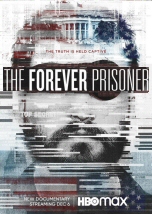





Twenty years on, The Forever Prisoner reveals the origins of the clandestine operations that led the United States, in the 'War on Terror,' on a path of cruelty, deceit, and self-deception. With first-hand accounts from the two interrogators to question Abu Zubaydah, a shocking interview with the chief architect of EITs, and an interview with Daniel Jones, former Senate Investigator, the film uncovers the incompetent and deceptive practices that the U.S. government followed in order to expedite and legalize EITs in the aftermath of 9/11. As a result, torture as a government policy was authorized by the United States for the first time in history.