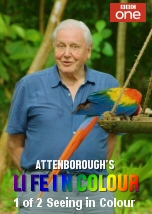
The natural world is full of colours. For us, they are a source of beauty, but for animals they are a tool for survival. David Attenborough reveals the extraordinary ways in which animals use colour: to win a mate, to fight off rivals and to warn enemies. New camera technologies - some developed especially for this series – also allow us to see colours and patterns usually invisible to human eyes. Ultraviolet cameras reveal bright signals on a butterfly’s wings and facial markings on yellow damselfish that are used as secret communication channels. Some animals can also detect polarized light, and specialist cameras can now show us how fiddler crabs see the world, and how mantis shrimp have strange polarization patterns on their bodies to signal to a mate or rival.
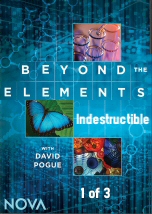
In this series, David Pogue explores the fantastic chemistry behind the everyday and sets out on a worldwide quest to find the key molecules and chemical reactions that have paved the way for human civilization, life, and even the universe as we know it. In the first episode, glass so strong you can jump on it, rubber so tough it protects a clay pot dropped from 50 feet, endless varieties of plastic. Scientists and engineers have created virtually indestructible versions of common materials by manipulating the chains of interlocking atoms that give them strength—but have they made them too tough?
This is the dramatic global story of the first year of COVID-19, tracing the devastation caused by the spread of the virus across four continents. The way in which this coronavirus became COVID-19, transmission from animals to humans, is going on all the time. Habitat loss and live animal trading around the world that foster this is continuing. And therefore, we've got to expect that this will happen again.
Master Chef judge Gregg Wallace and mathematician Dr Hannah Fry take over a restaurant and invite five special guests to enjoy a dinner party with a difference, where they will be scored on the carbon footprint of every dish they choose. Food accounts for a third of all greenhouse gas emissions, so making informed choices about what we eat is more important than ever. Gregg is with the kitchen team preparing delicious dishes and uncovering tips and tricks we can all use to cook more sustainably. Hannah is working with environmental scientists to reveal the carbon footprint of every single item on the menu and uncovering the latest research that can help us enjoy the food we love that doesn't cost the Earth.
2020 has been an unprecedented year in science. From a global pandemic and race to find a cure, to exploring our planetary neighbours and our own world, stay in the know with the latest stories that defined this tumultuous year. 365 days marked by stark warnings about the planet's future and technological triumphs. During this journey around the sun, science continued to reveal stories of our past and also provide promise that we can overcome the obstacles in way some far ahead and others more immediate.
With a million species at risk of extinction, Sir David Attenborough explores how this crisis of biodiversity has consequences for us all, threatening food and water security, undermining our ability to control our climate and even putting us at greater risk of pandemic diseases. Everything in the natural world is connected in networks that support the whole of life on earth, and we are losing many of the benefits that nature provides to us. The loss of insects is threatening the pollination of crops, while the loss of biodiversity in the soil also threatens plants growth. Last year, a UN report identified the key drivers of biodiversity loss, including overfishing, climate change and pollution. But the single biggest driver of biodiversity loss is the destruction of natural habitats. Seventy-five per cent of Earth's land surface (where not covered by ice) has been changed by humans, much of it for agriculture, and as consumers we may unwittingly be contributing towards the loss of species through what we buy in the supermarket. Human activities like the trade in animals and the destruction of habitats drive the emergence of diseases. Disease ecologists believe that if we continue on this pathway, this year’s pandemic will not be a one-off event.






Ultraviolet cameras reveal bright signals on a butterfly’s wings and facial markings on yellow damselfish that are used as secret communication channels. Some animals can also detect polarized light, and specialist cameras can now show us how fiddler crabs see the world, and how mantis shrimp have strange polarization patterns on their bodies to signal to a mate or rival.