The film reveals the secret story behind one of the greatest intellectual feats of World War II, a feat that gave birth to the digital age. In 1943 Bill Tutte, a 24-year-old maths student and a GPO engineer called Tommy Flowers combined to hack into Hitler's personal super code machine - not Enigma but an even tougher system, which he called his 'secrets writer'. Their break turned the Battle of Kursk, powered the D-day landings and orchestrated the end of the conflict in Europe. But it was also to be used during the Cold War - which meant both men's achievements were hushed up and never officially recognised.
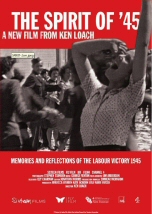
The film is focused on and celebrating the radical changes in postwar Britain under the Labour government of Clement Attlee, which came to power in 1945. Relying primarily on archive footage and interviews, and without a narrative voiceover, the documentary recounts the endemic poverty in prewar Britain, the sense of optimism that followed victory in World War II and the subsequent expansion of the welfare state, founding of the National Health Service and nationalisation of significant parts of the UK's economy. The film documents the extent to which these achievements, as the filmmaker Ken Loach sees them, have since been subject to attack in the decades that followed, particularly under the Conservative governments of Margaret Thatcher in the 1980s
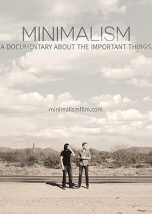
How might your life be better with less? The film examines the many flavors of minimalism by taking the audience inside the lives of minimalists from all walks of life -- families, entrepreneurs, architects, artists, journalists, scientists, and even a former Wall Street broker -- all of whom are striving to live a meaningful life with less.
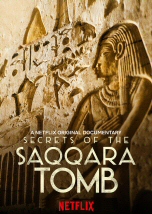
Join a team of local archaeologists as they excavate never before explored passageways, shafts, and tombs, while piecing together the secrets of one of the most jaw-dropping, exciting, and important Ancient Egyptian discoveries in decades. News of the tomb discovery has gone around the world and it has been heralded as the most significant find in almost fifty years. The condition of the tomb is remarkable - but the real excitement lies in what is to come. The archaeologists hope they are going to unearth the possessions, grave goods, and mummies of the high-priest and his family - and with that information hoping to transform our understanding of this period of Old Kingdom history.
Agnes Varda, one of the leading lights of France's honored French New Wave cinema era, and professional photographer and muralist, J.R., partake on a special art project. Together, they travel around France in a special box truck equipped as a portable photo booth and traveling printing facility as they take photographs of people around the country. With that inspiration, they also create special colossal mural pictures of individuals, communities and places they want to honor and celebrate. Along the way, the old cinematic veteran and the young artistic idealist enjoy an odd friendship as they chat and explore their views on the world as only they can.
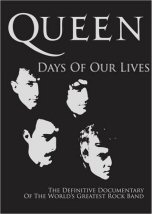
In 1971, four university students got together to form a band. Since then, that certain band called Queen has released 26 albums and sold over 300 million records worldwide. The popularity of Freddie Mercury, Brian May, Roger Taylor and John Deacon is stronger than ever. Their story is a remarkable one, a narrative that covers early struggles, huge obstacles, success, arguments, breakups, triumph, tragedy and an enduring legacy - all against a backdrop of brilliant music and stunning live performances from every corner of the globe. In this film, for the first time, it is the band that tells their story. Guiding us through an extensive archive full of hitherto unseen footage, the documentary reveals how four strong-minded individuals, all capable of writing massive hit songs, worked together so successfully for four decades. Queen never did anything by halves - meaning their highs were massive, but their lows catastrophic. It is a compelling story told with intelligence, wit, plenty of humour and painful honesty.



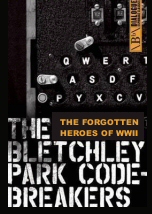


In 1943 Bill Tutte, a 24-year-old maths student and a GPO engineer called Tommy Flowers combined to hack into Hitler's personal super code machine - not Enigma but an even tougher system, which he called his 'secrets writer'. Their break turned the Battle of Kursk, powered the D-day landings and orchestrated the end of the conflict in Europe. But it was also to be used during the Cold War - which meant both men's achievements were hushed up and never officially recognised.