Filmmaker Ali Tabrizi initially set out to celebrate his beloved ocean, but instead found himself examining the harm that humans inflict upon the vulnerable seas. From plastics and fishing gear polluting the waters, to the irreparable damage of bottom trawling and by-catch, to illegal fishing and devastating hunting practices, humanity is wreaking havoc on marine life and, by extension, the entire planet. What Tabrizi ultimately uncovered not only challenges notions of sustainable fishing but will shock anyone who cares about the wonders of ocean life, as well as the future of the planet and our place on it. From the co-creator who brought you the groundbreaking documentary Cowspiracy comes Seaspiracy, a follow up that illuminates alarming -- and not widely known -- truths about the widespread environmental destruction to our oceans caused by human behavior.
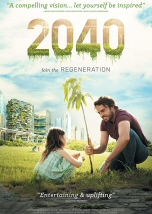
'2040' is an innovative feature documentary that looks to the future, but is vitally important now. Award-winning director Damon Gameau embarks on journey to explore what the future would look like by the year 2040 if we simply embraced the best solutions already available to us to improve our planet and shifted them into the mainstream. Structured as a visual letter to his 4-year-old daughter, Damon blends traditional documentary footage with dramatized sequences and high-end visual effects to create a vision board for his daughter and the planet.
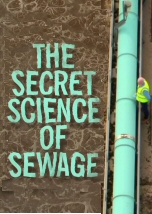
Dr George McGavin and Dr Zoe Laughlin set up base camp at one of the UK's biggest sewage works to investigate the revolutionary science finding vital renewable resources and undiscovered life in human waste. Teaming up with world-class scientists, they search for biological entities in sewage with potentially lifesaving medical properties, find out how pee can generate electricity, how gas from poo can fuel a car and how nutrients in waste can help solve the soil crisis. They follow each stage of the sewage treatment process, revealing what the stuff we flush can tell us about how we live today, and the mind boggling biotechnology being harnessed to clean it, making the wastewater safe enough to return to the environment.
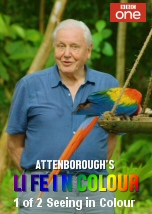
The natural world is full of colours. For us, they are a source of beauty, but for animals they are a tool for survival. David Attenborough reveals the extraordinary ways in which animals use colour: to win a mate, to fight off rivals and to warn enemies. New camera technologies - some developed especially for this series – also allow us to see colours and patterns usually invisible to human eyes. Ultraviolet cameras reveal bright signals on a butterfly’s wings and facial markings on yellow damselfish that are used as secret communication channels. Some animals can also detect polarized light, and specialist cameras can now show us how fiddler crabs see the world, and how mantis shrimp have strange polarization patterns on their bodies to signal to a mate or rival.
This series traces the history of classic video games, featuring insights from the innovators who brought these worlds and characters to life. In the first episode, Space Invaders and Pac-Man lead an arcade craze, while Atari's cartridge system dominates home gaming until high-profile failure sparks a downfall.
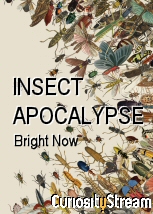
An alarming decline in insect populations could devastate all life on earth. What's causing it, and can anything be done to stop it? Insects are disappearing across the world. If we lost our pollinators, we would lose 80 to 90% of the plants on the planet. That is not an option. It's the ecosystems on this planet that keep humans alive. Scientists warn us that the insect apocalypse is entirely possible.














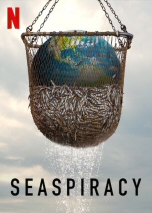






From the co-creator who brought you the groundbreaking documentary Cowspiracy comes Seaspiracy, a follow up that illuminates alarming -- and not widely known -- truths about the widespread environmental destruction to our oceans caused by human behavior.