In 1971, after being rejected by Hollywood, Bruce Lee returned to his parents' homeland, Hong Kong. Over the next two years, he'd complete four iconic films that would define his legacy, a legacy cut short when he died, stunningly, in the summer of 1973. He was 32 years old. Directed by Bao Nguyen, 'Be Water' is a gripping, fascinating, intimate look at not just those final, defining years of Lee's life, but the complex, often difficult, and seismic journey that led to Lee's ultimate emergence as a singular icon in the histories of film, martial arts, and even the connection between the eastern and western worlds. The film chronicles Lee's earliest days, as the son of a Chinese opera star born while his father was on tour in San Francisco, and then raised in Hong Kong over what became an at times troubled childhood. Sent to live in America at the age of 18, he began teaching Kung Fu in Seattle, and established a following that included his future wife, Linda. His ambition ever rising, Lee eventually made his way to Los Angeles, where he strove to break into American film and television. There, despite some success as a fight choreographer and actor, it was clear Hollywood wasn't ready for an Asian leading man - and so he returned to Hong Kong to make the films that would in fact make him a legend, his international star skyrocketing just as his life was cut short. 'Be Water' is told by the family, friends, and collaborators who knew Bruce Lee best, with an extraordinary trove of archive film providing an evocative, immersive visual tapestry that captures Lee's charisma, his passion, his philosophy, and the eternal beauty and wonder of his art.
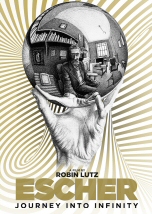
Explore the intriguing world of M.C. Escher in this captivating documentary, which delves deep into his life and artistic journey through his own words. Narrated with excerpts from his writings, the film is visually enriched with archival footage of Escher himself and showcases his iconic drawings. Gain unique insights from interviews with his surviving family members who illuminate aspects of his personal and professional life. Escher, who often described his work as straddling the realms of art and mathematics, admitted to not excelling in either yet found profound expression in geometry-infused art. Choosing to work in stark black and white, he embraced the challenge of conveying complex ideas without the use of color. The film explores pivotal phases in his career, including his mesmerizing explorations of the human eye and his ultimate obsession with the concept of infinity—depicted in real forms like circles and through visual illusions such as his famous never-ending staircase. The documentary also features perspectives from admirers such as musician Graham Nash, who argues that Escher's genius remains underappreciated. This film promises not only to shed light on Escher’s innovative work but also to inspire a deeper appreciation for his unique blend of visual storytelling and mathematical precision.
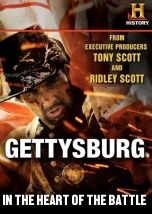
From executive producers Tony Scott and Ridley Scott comes a special about the battle that changed the course of the Civil War and the future of the Nation. ‘The world will little note, nor long remember, what we say here, but it can never forget what they did here.’ Abraham Lincoln's iconic Gettysburg Address frames this epic, feature-length History special. ‘Gettysburg’ looks at this battle from a visceral new perspective, not the generals who commanded from behind the frontlines, but that of the everyday soldiers who fought there, in a confrontation that changed the fate of the nation. Stripping away the romanticized veneer of past treatments, this special conveys new information and honors the sacrifice of those, both North and South, who fought and died there. Compelling CGI and powerful action footage place viewers in the midst of the fighting, delivering both an emotional cinematic experience and an information packed look at the turning points, technology, and little known facts of perhaps America's greatest battle. Raw, immersive and emotional, this groundbreaking event puts viewers inside the three-day battle where over 50,000 men paid the ultimate price.
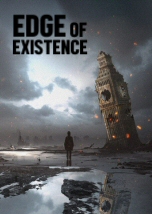
The risk of human extinction has never been higher. Recent years have seen a global pandemic, a renewed nuclear threat and runaway climate change. New research predicts a 1 in 6 chance that life as we know it won't make it to the end of this century. This compelling science documentary looks at the greatest risks to humanity and what we can do about it. Are we all doomed?
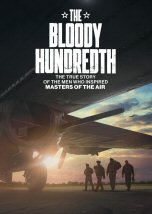
The film recounts the story of the 100th Bomb Group during World War II and follows bomber crews on dangerous missions to destroy targets inside German-occupied Europe. The Documentary honors the heroes of the Group and portrays the intensity of war, the dangers that the airmen face, and the friendships and relationships that develop. This unit from the Eighth Air Force B-17 Flying Fortress suffered tremendous losses in combat, with 177 aircraft missing in action, flying its last mission on 20 April 1945. Meet the airmen who inspired the tv series 'Masters of the Air' as they share the harrowing and transformative events of the 100th Bomb Group. The interviews with the real-life heroes are revealing, and the wealth of newsreel footage compiled in the documentary is utilized with a sharp eye for detail.
In the first episode, Sir David Attenborough reveals the unexpected wildlife riches of the British Isles, showcasing the dramatic and spectacular habitats that rival any across the globe. This journey uncovers the diversity of life in the UK's unique landscapes, from the intricate world of bumblebees to the swift lives of kingfishers. The episode captures extraordinary scenes of nature, including killer whales preying on seals, golden eagles in the Scottish mountains, the cunning tactics of woodland plants, and the perilous life of puffins evading gulls. It highlights Britain's geological diversity as a cornerstone of its natural wealth, contributing to an array of habitats and supporting a wide range of life. Britain's importance extends to being a haven for migratory birds, with our seas feeding 65% of the world's gannets and supporting the largest colony of northern gannets on Scotland's Bass Rock. The west coast of Scotland offers sanctuary to barnacle geese due to its abundant food and mild climate, though they remain vigilant against hunting sea eagles. Despite these natural treasures, Britain faces challenges as one of the most nature-depleted countries globally. Sir David Attenborough emphasizes the need to conserve and restore these wild isles for the enjoyment and benefit of future generations.



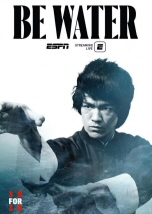


The film chronicles Lee's earliest days, as the son of a Chinese opera star born while his father was on tour in San Francisco, and then raised in Hong Kong over what became an at times troubled childhood. Sent to live in America at the age of 18, he began teaching Kung Fu in Seattle, and established a following that included his future wife, Linda. His ambition ever rising, Lee eventually made his way to Los Angeles, where he strove to break into American film and television. There, despite some success as a fight choreographer and actor, it was clear Hollywood wasn't ready for an Asian leading man - and so he returned to Hong Kong to make the films that would in fact make him a legend, his international star skyrocketing just as his life was cut short.
'Be Water' is told by the family, friends, and collaborators who knew Bruce Lee best, with an extraordinary trove of archive film providing an evocative, immersive visual tapestry that captures Lee's charisma, his passion, his philosophy, and the eternal beauty and wonder of his art.