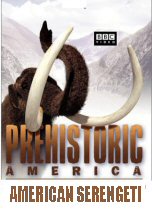
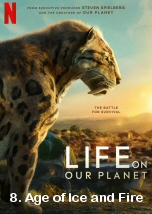
The final episode begins with a description of the extreme cold conditions that characterized the beginning of the Holocene period, and how species like the bison and the wolf adapted to survive in these hostile environments. We will witness the majesty of the woolly mammoth and the fierce cave lion, with a vivid reconstruction of their struggles for survival. We'll see the impact of climate change during this period, from the expansion of the deserts to the transformation of the tropical rainforests of Africa into grasslands, deeply affecting primates and other animals. It highlights how these changes forced primates to adapt to life on the ground, facing new challenges and predators. A crucial turn occurred with the emergence of humans as dominant predators and their influence on the extinction of large mammals. The documentary describes humanity's transition from hunter-gatherers to farmers, a change that radically altered the landscape and biodiversity of the planet. Finally, it poses a reflection on the current challenges of climate change and the sixth mass extinction, inviting viewers to consider humanity's crucial role in shaping the future of the Earth.
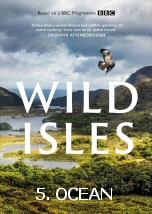
Sir David Attenborough explores the surprisingly vibrant seas that surround the British Isles. The vast watery wilderness around us is over three times the size of our land mass, and yet to many, our oceans remain a mystery. Full of colour and teeming with life, the seas of Britain and Ireland are crucially important to a range of wildlife. This episode goes beneath the waves to uncover the thriving habitats that exist along our 22,000-mile coastline. In winter, clear evidence of the ocean’s abundance can be seen on a beach in Norfolk. Thousands of grey seals congregate on the shoreline to give birth. Britain and Ireland are home to 40 per cent of the world’s grey seals, and the number being born on our shore rises every year. Once the newly born pups are weaned, the females are ready to breed again, and heavyweight males enter violent, bloody fights to win a stretch of beach, and the females along with it. Beyond the beach, the vibrant shallows contain several important habitats. Rich beds of seagrass are nurseries for a range of animals, while also acting as very important carbon storage areas. They are also home to one of the strangest fish in our waters, the seahorse. We follow a male and female as they perform a balletic mating dance in the water, delicately entwining their tails. The stakes are high, as these animals mate for life. In a touching piece to camera, Sir David bids a fledging Manx shearwater chick farewell as it embarks on a 6,000-mile journey across the oceans to South America. There is no better example of how important the British Isles and its abundant seas are to the survival of wildlife worldwide.
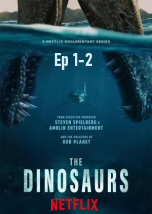
Produced by Steven Spielberg and narrated by Morgan Freeman, this captivating documentary series traces the extraordinary evolutionary journey of dinosaurs, revealing how these remarkable creatures rose from humble beginnings to dominate Earth for hundreds of millions of years. Through cutting-edge science, stunning visual reconstructions, and the latest fossil discoveries, it explores their origins, ecological importance, astonishing diversification, and the dramatic events that ultimately led to their extinction. From fragile early ancestors to the colossal giants that ruled prehistoric landscapes, the series unveils the epic story of the rise and fall of one of the most successful groups of animals in Earth’s history. In the first two episodes, the story begins with a small, fuzzy creature that emerges around 235 million years ago in a dangerous world filled with chaotic climates and deadly reptilian predators. Against overwhelming odds, its lineage survives and evolves into the first true dinosaurs. When a devastating mass extinction wipes out rival species, dinosaurs seize the opportunity to flourish, growing larger, developing longer necks, and evolving remarkable defenses such as body armor as they spread across the planet.




















A crucial turn occurred with the emergence of humans as dominant predators and their influence on the extinction of large mammals. The documentary describes humanity's transition from hunter-gatherers to farmers, a change that radically altered the landscape and biodiversity of the planet. Finally, it poses a reflection on the current challenges of climate change and the sixth mass extinction, inviting viewers to consider humanity's crucial role in shaping the future of the Earth.