With a million species at risk of extinction, Sir David Attenborough explores how this crisis of biodiversity has consequences for us all, threatening food and water security, undermining our ability to control our climate and even putting us at greater risk of pandemic diseases. Everything in the natural world is connected in networks that support the whole of life on earth, and we are losing many of the benefits that nature provides to us. The loss of insects is threatening the pollination of crops, while the loss of biodiversity in the soil also threatens plants growth. Last year, a UN report identified the key drivers of biodiversity loss, including overfishing, climate change and pollution. But the single biggest driver of biodiversity loss is the destruction of natural habitats. Seventy-five per cent of Earth's land surface (where not covered by ice) has been changed by humans, much of it for agriculture, and as consumers we may unwittingly be contributing towards the loss of species through what we buy in the supermarket. Human activities like the trade in animals and the destruction of habitats drive the emergence of diseases. Disease ecologists believe that if we continue on this pathway, this year’s pandemic will not be a one-off event.
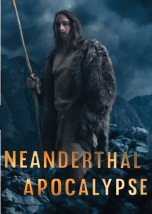
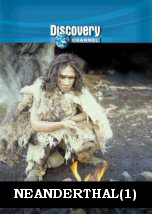
40,000 years ago the steppes of Eurasia were home to our closest human relative, the Neanderthals. Recent genetic and archaeological discoveries have proven that they were not the dim-witted cave dwellers we long thought they were. In fact, they were cultured, technologically savvy and more like us than we ever imagined! So why did they disappear? We accompany scientists on an exciting search for an answer to this question and come to a startling conclusion... A climate change due to a cataclysmic event.
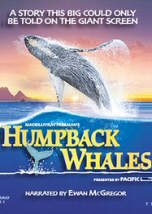
Narrated by Ewan McGregor, Humpback Whales is an extraordinary journey into the mysterious world of one of nature's most awe-inspiring marine mammals. Set in the spectacular waters of Alaska, Hawaii and the remote islands of Tonga, this ocean adventure offers audiences an up-close look at how these whales communicate, sing, feed, play and take care of their young. Humpbacks were nearly driven to extinction 50 years ago, but today are making a slow but remarkable recovery. Join a team of researchers as they unlock the secrets of the humpback and find out why humpbacks are the most acrobatic of all whales, why they sing their haunting songs, and why these intelligent 55-foot, 50-ton animals migrate up to 10,000 miles round-trip every year.
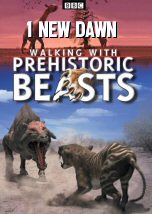
The series takes place after the extinction of the dinosaurs 65 million years ago and recreates animals of the Cenozoic with computer-generated imagery and animatronics. The first episode starts 49 million years ago, when Earth has fully recovered from the dinosaur extinction and is covered in a mysterious forest. This is a time that the world has almost forgotten - Germany was a hot sweaty jungle, birds ruled the earth and preyed on miniature horses and whales walked on land.
Take a look at the issues that will change the way we live our lives in the future. Hannah Fry delves into the data we have today to provide an evidence-based vision of tomorrow. With the help of science experts Hannah tries to discover whether we could ever live forever or if there will ever be a cure for cancer. She finds out how research into the human brain may one day help with mental health, and if it is possible to ever ditch fossil fuels. Hannah and her guests also discover the future of transport - and when, if ever, we really will see flying cars. She discovers whether a robot will take your job or if, as some believe, we will all one day actually become cyborgs. The programme predicts what the weather will be like and discovers if we are on the verge of another mass extinction. Hannah's tenth prediction is something she - and Horizon - are confident will definitely happen, and that is to expect the unexpected!
Long ago, two species of human beings coexisted on Earth until competition drove one of them to extinction. This program, set in the southwest of France 35,000 years ago, reconstructs the life in the Neanderthal world at the time Cro-Magnons first entered the scene. All aspects of Neanderthal clan life are examined, including tool- and weapon-making, hunting and gathering, health and healing, childbirth, rituals, and making fire. Footage of skeletal remains and the scholarly research of eminent paleontologist Chris Stringer and Oxford University's Paul Pettitt support the documentary.



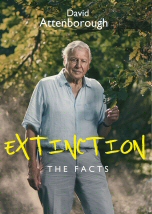


Everything in the natural world is connected in networks that support the whole of life on earth, and we are losing many of the benefits that nature provides to us. The loss of insects is threatening the pollination of crops, while the loss of biodiversity in the soil also threatens plants growth.
Last year, a UN report identified the key drivers of biodiversity loss, including overfishing, climate change and pollution. But the single biggest driver of biodiversity loss is the destruction of natural habitats. Seventy-five per cent of Earth's land surface (where not covered by ice) has been changed by humans, much of it for agriculture, and as consumers we may unwittingly be contributing towards the loss of species through what we buy in the supermarket. Human activities like the trade in animals and the destruction of habitats drive the emergence of diseases. Disease ecologists believe that if we continue on this pathway, this year’s pandemic will not be a one-off event.