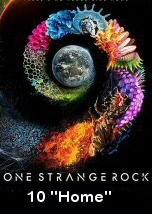
This is our home, the earth it's, it's the only place we've got. It is one strange rock because it's ours and we are here and we don't know if any other place in the universe, yet, that can support life. We're very lucky to have it as our home. Astronauts including the legendary Peggy Whitson, who spent 665 days in space, speak about how their concepts of home have changed since their experience.
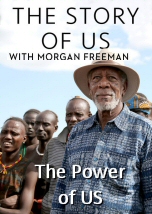
Can we find a way to distribute power so that everyone has their say? A U.S. president explains the challenges of making decisions that affect hundreds of millions of lives, and Freeman learns about an African woman who has created a society without men. He explores how the rise of the internet may fundamentally change how democracy works.
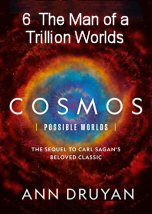
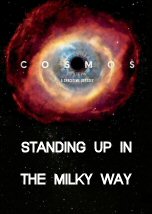
A child lies on the rug of a tenement dreaming of interstellar adventures. At the dawn of the space age, a young Carl Sagan’s career is forged in the clash of his mentors, two scientific titans. Sagan goes on realize his childhood dreams, to carry their research forward and communicate its significance to the whole world.
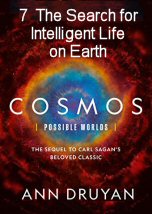
Episode 7 focuses specifically on first contact and the search for intelligent life in the vastness of the cosmos. Are humans ready to make first contact with other intelligent beings? Is our technology even sophisticated enough to detect communication signals from another world? Who are we to search for alien intelligence when we can't even recognize or respect the consciousness all around us, or even beneath our feet. Neil deGrasse Tyson reveals the hidden underground network that is a collaboration of four kingdoms of life, and a true first contact story between humans and beings who communicate in a symbolic language and have maintained a representative democracy for many tens of millions of years.
Global CO2 emissions coming from aviation will go from about 2% to, by 2050, something closer to 20%. Technology is the only key to open up a brighter future that can be sustainable at the same time. The way we fly is about to change, driven by a new breed of aviators not afraid to think differently. From clean, green electric aircraft to autonomous sky taxis, could the days of the jet age be numbered?
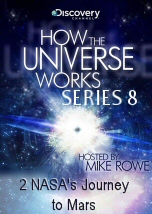
NASA is on a mission to send humans to Mars within just 15 years, but to reach this next frontier of space exploration, experts must discover new technology and cutting-edge science that protects astronauts from the Red Planet's deadliest killers.

















Astronauts including the legendary Peggy Whitson, who spent 665 days in space, speak about how their concepts of home have changed since their experience.