



Last Watched

"Contemporary"  Sort by

Prejudice and Pride

   2013    History
In the 1960s and 1970s a generation of Mexican Americans, frustrated by persistent discrimination and poverty, find a new way forward, through social action and the building of a new "Chicano" identity. The movement is ignited when farm workers in the fields of California, led by Cesar Chavez and Dolores Huerta, march on Sacramento for equal pay and humane working conditions. Through plays, poetry and film, Luis Valdez and activist Corky Gonzalez create a new appreciation of the long history of Mexicans in the South West and the Mestizo roots of Mexican Americans. In Los Angeles, Sal Castro, a schoolteacher, leads the largest high school student walkout in American history, demanding that Chicano students be given the same educational opportunities as Anglos. In Texas, activists such as Jose Angel Gutierrez, create a new political party and change the rules of the electoral game. By the end of the 1970s Chicanos activism and identity have transformed what it means to be an American. Chicano and Latino studies are incorporated into school curriculum; Latinos are included in the political process.
Series: Latino Americans
War of the Century: High Hopes

   2005    History
It was the bloodiest war in history, yet Hitler's brutal invasion of the Soviet Union and Stalin's subsequent fight back is surprisingly little known in the West. More than 30 million people died during Hitler and Stalin's terrible war in the East - more than in any other single war in history. With direct testimony from people who perpetrated atrocities and the victims who suffered on both sides, we bring the unspeakable to the screen and allowing victims and aggressors to tell the truth as they see it. In the first episode, we will look at Hitler's plans to invade the Soviet Union and the horror of the first months of conflict.
Series: War of the Century

Free for All

   2013    Art
Part 2 examines how the freewheeling modernism that had shocked audiences in the first two decades of the century came under state control. Initially, many practitioners thought the totalitarian regimes would be good for music and the arts. What followed in Germany was a ban on music written by Jews, African-Americans and communists, while in the Soviet Union there was a prohibition on music the workers were unable to hum. After the cataclysm of the 1940s, a new generation of composers - Boulez, Stockhausen, Xenakis, Nono, Ligeti - turned their back on what they saw as the discredited music of the past and tried to reinvent it from scratch. Or, at least, from serialism, which became as much of a straitjacket as totalitarianism's strictures had been. But from this period of avant-garde experimentation, which many listeners found baffling and terrifying, came some of the most influential and radical musical innovations of the century.
Series: The Sound and the Fury

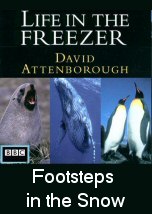
Footsteps in the Snow

   1993    History
This episode discusses the human exploration of Antarctica, in particular the mission led by Captain Robert Falcon Scott, whose team died on the way back from the South Pole. It shows the scientific work in the modern human bases in Antarctica, especially Mawson Base and its observation of Adelie Penguins (partially through tracking devices). The second half of the episode describes how the series was made. Most crucial was of course the camera work. To get access to the wildlife of the sea, for example, boats, divers, suspended capsules and remotely controlled cameras mounted on inflatables were used. Particularly dangerous to divers were Leopard Seals and other predators. The film concludes that although working in Antarctica is now much easier than during the early days of exploration, human footsteps on the continent are still exceedingly rare in part because of international treaties prohibiting industrial exploitation.
Series: Life in the Freezer

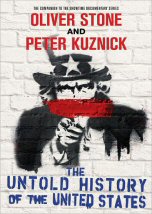
The Cold War: 1945-1950

   2012    History
Directed, produced, and narrated by Oliver Stone. In this episode we will see how the equation changes: specific month-by-month causes of the Cold War emerge and it is not entirely clear who started it. Highlights include Churchill's Iron Curtain speech, the civil war in Greece and the Red Scare that prompts the rise of Joseph McCarthy, the House Un-American Activities Committee and the FBI.
Series: The Untold History of the United States
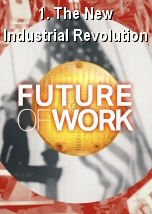
Future of Work

Future of Work

2021  Technology
Food Inc

Food Inc

2009  Technology
Life in the Undergrowth

Life in the Undergrowth

2005  Nature
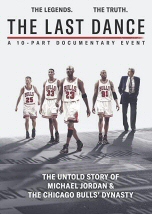
The Last Dance

The Last Dance

2020  Culture
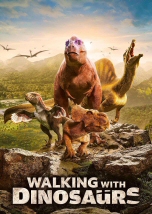
Walking with Dinosaurs

Walking with Dinosaurs

2025  Science