Helvetica is a feature-length independent film about typography, graphic design and global visual culture. It looks at the proliferation of one typeface (which celebrated its 50th birthday in 2007) as part of a larger conversation about the way type affects our lives. The film is an exploration of urban spaces in major cities and the type that inhabits them, and a fluid discussion with renowned designers about their work, the creative process, and the choices and aesthetics behind their use of type. The film encompasses the worlds of design, advertising, psychology, and communication, and invites us to take a second look at the thousands of words we see every day. Interviewees in Helvetica include some of the most illustrious and innovative names in the design world, including Erik Spiekermann, Matthew Carter, Massimo Vignelli, Wim Crouwel, Hermann Zapf, Neville Brody, Stefan Sagmeister, Michael Bierut, David Carson, Paula Scher, Jonathan Hoefler, Tobias Frere-Jones, Experimental Jetset, Michael C. Place, Norm, Alfred Hoffmann, Mike Parker, Bruno Steinert, Otmar Hoefer, Leslie Savan, Rick Poynor, and Lars Müller.
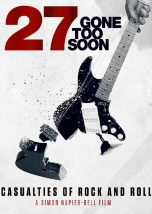
Brian Jones, Jimi Hendrix, Janis Joplin and Jim Morrison all died at the age of 27 between 1969 and 1971. At the time, the coincidence gave rise to some comment, but it was not until the death of Kurt Cobain, about two and a half decades later, that the idea of a '27 Club' began to catch on in public perception, reignited with the death of Amy Winehouse in 2011. Through interviews with people who knew them, such as music stars, critics, medical experts and unseen footage, the lives, music, and artistry of those who died at 27 are investigated with a bid to find answers.
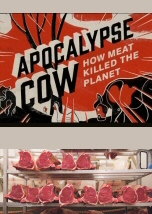
In a provocative documentary, environmental campaigner George Monbiot examines the disastrous impact that farming animals for meat has had on the planet. He argues that the biggest problem driving us towards global disaster is how we feed ourselves, particularly on meat George looks at alternative food sources, including synthetic meat, and a process that produces protein from just bacteria and air, and also explores revolutionary ideas that could change agriculture as we know it.
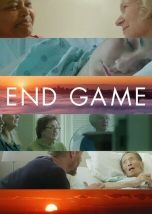
Where will loved ones spend their last days? Who will be in the room? What feelings and secrets need to be shared with family before it is too late? Acclaimed filmmakers Rob Epstein and Jeffrey Friedman probe these questions and more in the context of two San Francisco Bay Area medical facilities on the forefront of creating new paradigms for end of life decisions with grace. Filmed and edited in intimate vérité style, 'End Game' follows visionary medical practitioners who are working on the cutting edge of life and death and are dedicated to changing our thinking about both.
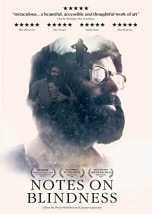
In the summer of 1983, just days before the birth of his first son, writer and theologian John Hull went blind. In order to make sense of the upheaval in his life, he began keeping a diary on audiocassette. Upon their publication in 1990, Oliver Sacks described the work as 'the most extraordinary, precise, deep and beautiful account of blindness I have ever read. It is to my mind a masterpiece.' With exclusive access to these original recordings, Notes On Blindness encompasses dreams, memory and imaginative life, excavating the interior world of blindness.
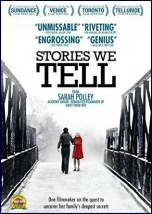
Polley is both filmmaker and detective as she investigates the secrets kept by a family of storytellers. She playfully interviews and interrogates a cast of characters of varying reliability, eliciting refreshingly candid, yet mostly contradictory, answers to the same questions. As each relates their version of the family mythology, present-day recollections shift into nostalgia-tinged glimpses of their mother, who departed too soon, leaving a trail of unanswered questions. Polley unravels the paradoxes to reveal the essence of family: always complicated, warmly messy and fiercely loving. Stories We Tell explores the elusive nature of truth and memory, but at its core is a deeply personal film about how our narratives shape and define us as individuals and families.




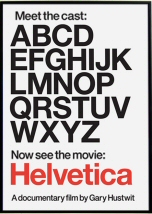




The film encompasses the worlds of design, advertising, psychology, and communication, and invites us to take a second look at the thousands of words we see every day.
Interviewees in Helvetica include some of the most illustrious and innovative names in the design world, including Erik Spiekermann, Matthew Carter, Massimo Vignelli, Wim Crouwel, Hermann Zapf, Neville Brody, Stefan Sagmeister, Michael Bierut, David Carson, Paula Scher, Jonathan Hoefler, Tobias Frere-Jones, Experimental Jetset, Michael C. Place, Norm, Alfred Hoffmann, Mike Parker, Bruno Steinert, Otmar Hoefer, Leslie Savan, Rick Poynor, and Lars Müller.