The film is focused on and celebrating the radical changes in postwar Britain under the Labour government of Clement Attlee, which came to power in 1945. Relying primarily on archive footage and interviews, and without a narrative voiceover, the documentary recounts the endemic poverty in prewar Britain, the sense of optimism that followed victory in World War II and the subsequent expansion of the welfare state, founding of the National Health Service and nationalisation of significant parts of the UK's economy. The film documents the extent to which these achievements, as the filmmaker Ken Loach sees them, have since been subject to attack in the decades that followed, particularly under the Conservative governments of Margaret Thatcher in the 1980s
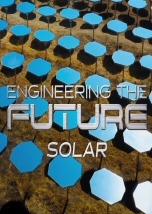
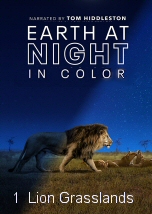
We face one of the greatest challenges in the history of humanity, to eliminate the fuels that have driven progress and technology for over a century, while our thirst for energy only grows. The sun is the biggest source of energy in the solar system. It's like a nuclear reactor in the sky, and it provides endless power. If we can harvest just fractions of this, it can power all our consumption. Innovators are searching for new ways to capture more of the sun’s power, and make it available through the night, everywhere.
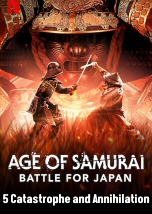
After more than a century of civil war, Toyotomi Hideyoshi has united Japan. His rivals have either sworn their allegiance, or they have been destroyed. Despite this fledgling peace, Hideyoshi now dreams of a bold and outlandish plan to make himself the most powerful man in Asia. He plans to expand his reign to China. Logistical challenges and fierce operation in Korea prove to be costly.
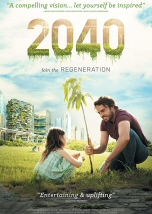
'2040' is an innovative feature documentary that looks to the future, but is vitally important now. Award-winning director Damon Gameau embarks on journey to explore what the future would look like by the year 2040 if we simply embraced the best solutions already available to us to improve our planet and shifted them into the mainstream. Structured as a visual letter to his 4-year-old daughter, Damon blends traditional documentary footage with dramatized sequences and high-end visual effects to create a vision board for his daughter and the planet.
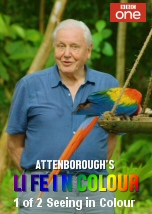
The natural world is full of colours. For us, they are a source of beauty, but for animals they are a tool for survival. David Attenborough reveals the extraordinary ways in which animals use colour: to win a mate, to fight off rivals and to warn enemies. New camera technologies - some developed especially for this series – also allow us to see colours and patterns usually invisible to human eyes. Ultraviolet cameras reveal bright signals on a butterfly’s wings and facial markings on yellow damselfish that are used as secret communication channels. Some animals can also detect polarized light, and specialist cameras can now show us how fiddler crabs see the world, and how mantis shrimp have strange polarization patterns on their bodies to signal to a mate or rival.
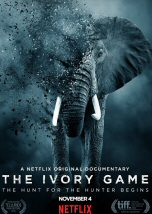
The film exposes the dark world of ivory trafficking. Ivory is a prized status symbol for middle class Chinese, and poachers in pursuit of elephants in Africa are causing a great damage. Award-winning director Richard Ladkani and Kief Davidson filmed undercover for 16 months infiltrating and documenting the deep-rooted corruption at the heart of the global ivory trafficking crisis.







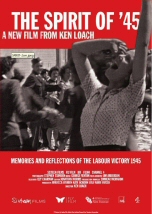




The film documents the extent to which these achievements, as the filmmaker Ken Loach sees them, have since been subject to attack in the decades that followed, particularly under the Conservative governments of Margaret Thatcher in the 1980s