Can new emission-free electric planes replace our polluting airliners and revolutionize personal transportation in our cities? The film takes a ride in some quiet, energy-efficient, prototypes that are vying for success as electric flight takes off. The race is on to stop the climate emergency and we're seeing more and more people really paying attention to their carbon footprint. Aviation is a fast-growing offender, but is it too slow to respond. Could rapid progress in electric technology change the equation?
(Click CC for subtitles) Hannes Rossacher's documentary is a great journey. It begins in summer 1988 on the Ostseestrand in East Germany and accompanies the band on their long, sometimes painful, but finally successful conquest of the American continents up until 2001. It continues with their farewell to the US after the events of September 11th and ends in front of thousands of cheering Americans in Madison Square Garden. For the documentary, Rammstein provided extensive, previously unreleased footage and photos from the band archive. In numerous interviews from various periods in the band's history, the band members speak about their experiences across the Atlantic. Old and new friends and acquaintances, as well as many American colleagues, pay tribute to the band and recount anecdotes. Chad Smith (Red Hot Chili Peppers), Moby, CJ Ramone, Steven Tyler (Aerosmith), Iggy Pop, Gene Simmons and Paul Stanley from KISS, Wes Borland (Limp Bizkit), Marilyn Manson, Melissa Auf der Maur, Scott Ian (Anthrax), Jonathan Davis and Munky Shaffer from Korn, Shawn Crahan (Slipknot), director David Lynch, actor Kiefer Sutherland and many more.
Without words, Ron Fricke shows us the world, with an emphasis not on 'where,' but on 'what's there.' It begins with morning, natural landscapes and people at prayer: volcanoes, water falls, veldts, and forests; several hundred Balinese Hindu men perform kecak, the monkey chant. Indigenous peoples apply body paint; whole villages dance. The film moves to destruction of nature via logging, blasting, and strip mining. Images of poverty, rapid urban life, and factories give way to war, concentration camps, and mass graves. Ancient ruins come into view, and then a sacred river where pilgrims bathe and funeral pyres burn. Prayer and nature return. A monk rings a huge bell; stars wheel across the sky. (Click CC for places description)
(Click CC for subtitles) The Last Narc tells the story of a fallen hero, the men who killed him, and the one man who risked everything to find out what really happened and why. Highly decorated special agent Hector Berellez, who was assigned to lead the DEA's investigation of Camarena's murder, peels back the layers of myth and propaganda to reveal the bone-chilling truth about a conspiracy that stretches from the killing fields of Mexico to the halls of power in Washington, D.C. The first episode is set in the mid-1970s. The newly formed DEA recruits two Mexican-American street cops: Kiki Camarena and Hector Berrellez. Kiki is assigned to Guadalajara, home turf of the Guadalajara Cartel, while Hector targets cartel operations in Los Angeles. The Cartel is putting cops on its payroll, including three Jalisco state policemen. When Kiki is kidnapped it rocks both sides of the border
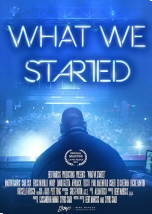
Aims to establish itself as the defining film of the electronic music genre. Through an artfully crafted narrative and stunning visual techniques, the film delves into the highly popular world of electronic dance music, providing backdoor access to a widely misunderstood, self-driven and well-insulated industry on its way to global domination. The narrative leads with the legacy of Carl Cox and following with newcomer, Martin Garrix, as the film explores the parallels between Cox's undeniable influence and hand in the evolution of dance music and Garrix's formation of mainstream genres and global fame.
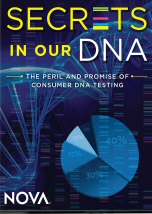
Some 30 million Americans have sent their DNA to be analysed by companies like 23andMe and AncestryDNA. But what happens once the sample is in the hands of testing companies, and how accurate are their results? The film explores the power of genetic data to reveal family connections, ancestry, and health risks—and even solve criminal cold cases.



















The race is on to stop the climate emergency and we're seeing more and more people really paying attention to their carbon footprint. Aviation is a fast-growing offender, but is it too slow to respond. Could rapid progress in electric technology change the equation?