Ferdinand Magellan and Juan Sebastian Elcano set sail to gain control of the global spice trade, but end up becoming the first expedition to circumnavigate the earth. The yearslong voyage—along with the suffering, the violence and the loss of life and property—were all in pursuit of a shorter route to the so-called Spice Islands (now the Maluku Islands) and their much-coveted aromatics. The film puts in perspective the 16th century—the Age of Exploration, the Age of Discovery and the Age, problematically, of Colonialism. It also was an age of heroes. As the documentary insists, the journeys undertaken by the men whose names we learned in grade school and whose exploits straddled the 1400s and 1500s—including Ponce de Leon, Vasco da Gama, Lope de Aguirre and even Columbus—were about money, sometimes trade, sometimes plunder. But just as advances in medicine have often been propelled by war, knowledge about the world has been a byproduct of profit-seeking. Likewise, heroism.
The film is an immersive chronicle of the insurrection at the U.S. Capitol on January 6, 2021, when thousands of Donald Trump's followers from across the country gathered in Washington D.C. to protest the results of the 2020 presidential election, many with the intent of disrupting the certification of Joe Biden’s presidency. 'Four Hours at the Capitol' features never-before-seen footage and vivid first-hand accounts from lawmakers, staffers, police officers, protesters, and rioters who stormed the Capitol building where the electoral votes were being counted. The film details how the violence quickly escalated, leaving Capitol security forces outnumbered and overwhelmed, and highlights the high-stakes standoff between police and rioters. The documentary presents a stark reminder of the wider ramifications of the events of that unprecedented day, which ended with the deaths of five people and more than 140 police officers injured.
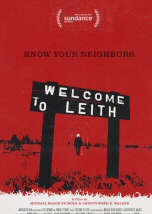
When notorious white supremacist Craig Cobb moves into their town, the residents of Leith in North Dakota do what they can to prevent him from taking control of the municipality. Filmed in the days leading up to Cobb's arrest for terrorizing the townspeople on an armed patrol and his subsequent release from jail six months later, the film is an eerie document of American DIY ideals.
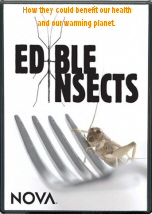
From crunchy crickets to nutty fly grubs, the film takes a tasty look at insect foods and how they could benefit our health and our warming planet. From Thailand to Texas, insect farmers are showing how the tiny critters stack up as an environmentally friendly alternative to beef protein and can, pound for pound, deliver better nutritional value than the finest steak. But will western people overcome the 'ick' factor and share the appetite of many cultures around the world for insect feasts?
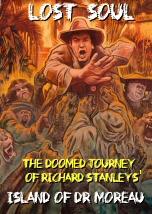
Richard Stanley had a dream of making a screen adaptation of the H.G. Wells classic The Island of Dr. Moreau. In the mid nineties, he finally managed to get the project up and running, but its shooting turned into a battle between art and industry interests that ended with the director being fired from the film. This documentary examines the story of a movie that could have been a masterpiece of fantasy that ended in an epic failure.
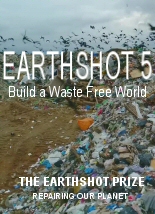
We have become too comfortable in societies that are immensely wasteful. As a consequence across the globe, the natural world about us is now suffering from the waste we throw away. Is it possible for us to keep what we have and continue to progress without generating waste? This film will expose the root causes of our wastefulness, highlight people around the world working on incredible solutions and it willl introduce you to the new projects shortlisted for the fifth goal of the Earthshot Prize.






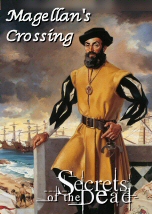


The film puts in perspective the 16th century—the Age of Exploration, the Age of Discovery and the Age, problematically, of Colonialism. It also was an age of heroes. As the documentary insists, the journeys undertaken by the men whose names we learned in grade school and whose exploits straddled the 1400s and 1500s—including Ponce de Leon, Vasco da Gama, Lope de Aguirre and even Columbus—were about money, sometimes trade, sometimes plunder. But just as advances in medicine have often been propelled by war, knowledge about the world has been a byproduct of profit-seeking. Likewise, heroism.