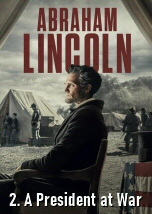
In the second episode, Abraham Lincoln faces the greatest crisis of his presidency as the Civil War engulfs the nation. With little military experience, he must learn rapidly how to act as commander in chief, challenge hesitant generals and make decisions that will determine the survival of the Union. As battlefield losses mount and the conflict grows more brutal, Lincoln comes to believe that defeating the Confederacy will require more than preserving the nation: slavery itself must be confronted. The episode follows Lincoln as he struggles with military setbacks, political pressure and the enormous human cost of war, while moving toward the Emancipation Proclamation as both a moral and strategic turning point. His relationships with commanders, advisers and abolitionist voices reveal a president evolving under extraordinary pressure, forced to balance principle with pragmatism as he transforms the meaning of the war and the future of the United States.
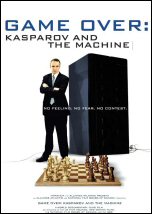
Garry Kasparov is arguably the greatest chess player who has ever lived. In 1997 he played a chess match against IBM's computer Deep Blue. Kasparov lost the match. This film shows the match and the events surrounding it from Kasparov's perspective. It delves into the psychological aspects of the game, paranoia surrounding it and suspicions that have arisen around IBM's true tactics. It consists of interviews with Kasparov, his manager, chess experts, and members of the IBM Deep Blue team, as well as original footage of the match itself.














The episode follows Lincoln as he struggles with military setbacks, political pressure and the enormous human cost of war, while moving toward the Emancipation Proclamation as both a moral and strategic turning point. His relationships with commanders, advisers and abolitionist voices reveal a president evolving under extraordinary pressure, forced to balance principle with pragmatism as he transforms the meaning of the war and the future of the United States.