Monty Don embarks on a journey across Spain, discovering gardens across the country’s diverse landscape and exploring its rich and varied history and culture. He will cover more than 4,000 kilometres to visit some of its most interesting gardens, community projects and parks in order to get under the skin of the country. His trips range from historic imperial palaces to cutting-edge modern gardens created by a new wave of Spanish designers working more closely with the landscape and the challenges of the climate. “Spain's history and its landscapes, climates and cultures have huge diversity. And in this series, I want to get under the skin of the country by visiting as many gardens in Spain as I can so I can shed light on this nation's past, its future and its people. The result is a picture not just of its gardens but this fascinating country itself. Dramatic, proud, complex, but always compelling.”
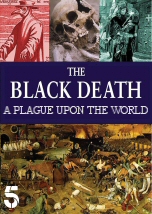
In an enthralling documentary, Dan Snow and archaeologist Raksha Dave delve into the catastrophic impact of the Black Death on Britain 700 years ago, a pandemic that extinguished around half of the population, or three million people. The duo embarks on a journey to trace the origins and merciless spread of the plague, starting from its arrival on Britain's South coast in June 1348, through the bustling trade routes that brought the disease to Melcombe Regis, Dorset. Their investigation takes them to various hotspots of the outbreak, including the Old Operating Theatre in London and Wildwood Animal Sanctuary in Kent, where they explore the role of rats in dispersing the bubonic plague. Through dramatic reconstructions and visits to places like Nottingham University's biomedical laboratories, they uncover the rapid spread and deadly impact of the plague, offering a month-by-month account of how it ravaged the country, decimating cities, towns, and villages alike. The documentary not only showcases the horrific symptoms and desperate attempts at cures through brutal medical practices of the time but also leverages cutting-edge research to explain why the Black Death remains the deadliest pandemic in history. The personal stories of victims, from princes to paupers, are brought to light, revealing the indiscriminate nature of the disease. Dan's visit to Canterbury Cathedral and Raksha's investigation into the recent discovery of mass graves beneath a tranquil London square underline the widespread desperation and devastation. Their journey through the history of the Black Death, culminating in the discovery of its indiscriminate toll and the unveiling of mass graves in London, not only sheds light on the darkest chapters of British history but also ignites a profound understanding of the tragedy, making a compelling case for why this documentary is a must-watch for anyone interested in the profound impacts of pandemics on human society.
‘Love on the Spectrum’ captivates with its fresh and deeply human perspective on the complexities of romantic relationships. This reality show, following individuals on the autism spectrum as they navigate the world of dating, is a celebration of diversity and inclusiveness, offering a unique window into dating experiences seldom portrayed in mainstream media. The second season delves deeper into the personal stories of its participants, providing a narrative rich in emotions, challenges, and victories. The series stands out for its genuine, unscripted approach, breaking down prejudices and initiating important dialogues about diversity in relationships. In the first episode, James and Dani continue their search for love. David plans a sweet surprise for Abbey. Newbie Connor brings an open mind to his first speed-dating event.
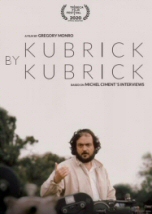
Stanley Kubrick's mark on the legacy of cinema can never be measured. He was a giant in his field, his great works resembling pristine pieces of art, studied by students and masters alike, all searching for answers their maker was notoriously reticent to give. While he's among the most scrutinized filmmakers that ever lived, the chance to hear Kubrick’s own words was a rarity—until now. Unspooling exclusive new recordings of detailed interviews with the mythic director spanning 30 years that ruminate on his philosophies, documentarian Gregory Monro weaves a tapestry of archival footage with the rhythm and care of a consummate historian relishing in his discoveries.
‘Taylor Swift The Eras Tour’ transcends a mere concert film, emerging as a cultural phenomenon on the big screen. It offers a once-in-a-lifetime, immersive experience, showcasing the history-making tour of Taylor Swift, one of the most iconic artists of our era. The film spans her entire career, from early country roots to the latest pop anthems, capturing the evolution of her music and the unique themes of each era with stunning cinematic quality. The visuals and sound design are crafted to create a breathtaking and intimate concert experience, highlighting the energy of Swift and her connection with the audience. This film is not only a celebration of Swift's musical journey but also a testament to her lasting impact on pop culture. It's a masterful blend of concert energy, personal storytelling, and cinematic splendor, making it an essential experience for anyone interested in witnessing the evolution of a music icon and the creation of a cultural milestone.
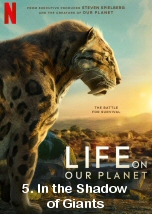
The fifth episode of the series is a fascinating exploration of the dinosaur era and its impact on the evolution of life on Earth. Through a journey of 200 million years, we discover how the breakup of Pangea and tectonic changes shaped biodiversity and created environments for dinosaurs and other forms of life to flourish. From the majestic Diplodocus to the formidable Allosaurus, the documentary brings to life the giants that once dominated our planet. Additionally, it shows the evolution of plants, highlighting the emergence of flowers and their symbiotic relationship with insects, such as termites and ants, whose social and evolutionary dynamics are explored in depth. The narrative also addresses the rise of mammals and their coexistence with dinosaurs, highlighting species such as the Numbat and their struggle for survival. With stunning imagery and a captivating narrative, this episode is an invitation to learn, marvel, and reflect on the extraordinary history of life on Earth.
















“Spain's history and its landscapes, climates and cultures have huge diversity. And in this series, I want to get under the skin of the country by visiting as many gardens in Spain as I can so I can shed light on this nation's past, its future and its people. The result is a picture not just of its gardens but this fascinating country itself. Dramatic, proud, complex, but always compelling.”