The third episode of the series takes viewers on an enthralling journey through the diverse ecosystems of the most species-rich continent on earth. It highlights the resilience and challenges faced by the unique wildlife, from the Atacama Desert to the Amazon Rainforest. The documentary showcases the remarkable interactions between creatures like black spider monkeys, parrots, and Capuchin monkeys, emphasizing the delicate balance between human needs and the preservation of South America's biodiversity. The film also captures the rare and thrilling moments of puma hunting, providing an intimate look at the struggles of a mother puma named Sarmiento. South America's extraordinary landscapes, wildlife, and their coexistence with humans are beautifully depicted in this documentary.
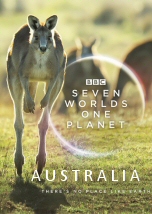
The fourth episode of the series takes viewers on a fascinating journey through the unique and diverse landscapes of Australia, a continent that drifted apart during the time of the dinosaurs. Isolated for millions of years, the weird and wonderful animals marooned here are like nowhere else on Earth. From the vast deserts to lush rainforests, this episode showcases the incredible wildlife that calls this continent home. The film highlights the fascinating behaviors and adaptations of Australia's native animals, including the elusive dingo, kangaroos, and the iconic Tasmanian devil. It also sheds light on the challenges these creatures face in a rapidly changing world, emphasizing the impact of human activities on their survival and underscoring the importance of preserving these environments and the incredible creatures that inhabit them. The stunning cinematography and intimate footage capture the beauty and struggles of Australia's wildlife, making this documentary a visual treat and a must-watch for anyone interested in wildlife and conservation.
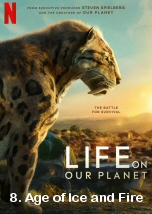
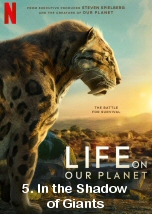
The final episode begins with a description of the extreme cold conditions that characterized the beginning of the Holocene period, and how species like the bison and the wolf adapted to survive in these hostile environments. We will witness the majesty of the woolly mammoth and the fierce cave lion, with a vivid reconstruction of their struggles for survival. We'll see the impact of climate change during this period, from the expansion of the deserts to the transformation of the tropical rainforests of Africa into grasslands, deeply affecting primates and other animals. It highlights how these changes forced primates to adapt to life on the ground, facing new challenges and predators. A crucial turn occurred with the emergence of humans as dominant predators and their influence on the extinction of large mammals. The documentary describes humanity's transition from hunter-gatherers to farmers, a change that radically altered the landscape and biodiversity of the planet. Finally, it poses a reflection on the current challenges of climate change and the sixth mass extinction, inviting viewers to consider humanity's crucial role in shaping the future of the Earth.
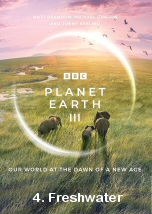
Covering one tenth of all species on the planet, Freshwater is a rich, diverse habitat filled with never-ending surprises. The fourth episode is set beneath the Yucatan Peninsula and spanning diverse locations like the rainforests of Costa Rica and the Kalahari Desert and presents a vivid exploration of how freshwater shapes life on Earth. The narrative journeys through the unique breeding rituals of gliding tree frogs in Costa Rica, the strategic hunting methods of mugger crocodiles in Sri Lanka, and the astonishing adaptations of wildlife in the Okavango Delta. It highlights the critical role of freshwater in supporting diverse ecosystems, from the teeming fish species in Lake Malawi to the perilous journey of gobies in Bioko. The episode also addresses human impact, showcasing the extensive irrigation system in Pakistan and its unintended consequences on local wildlife, like the endangered Indus river dolphin. This captivating chapter not only showcases nature's marvels but also underscores the delicate balance between human needs and wildlife conservation.
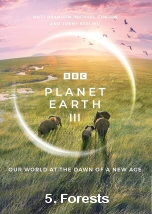
Journey to secret worlds where lives are wrapped in unexpected of ways. The fifth episode of the series takes viewers into the fascinating world of forests, revealing their hidden complexities and the intricate relationships within. Initially perceived as tranquil, forests are in fact bustling with life and intricate ecological interactions. The episode showcases various species, each with its unique lifestyle and survival strategies. Highlights include the Oriental pied hornbills in Borneo, whose extraordinary nesting rituals and partner dynamics are captivating. The Amazon rainforest is explored, introducing the peculiar treehoppers and their unique communication methods, vital for survival amidst numerous predators like ants and assassin bugs. The episode also delves into the intelligent and cooperative hunting techniques of dholes in the forests of India. The narrative takes a turn to China, focusing on the visually stunning courtship displays of Temminck's tragopans and golden pheasants. In the temperate rainforests of Western Canada, the rare spirit bear and its unique relationship with its habitat are examined. The episode concludes with an insightful look at the impact of human activity on forests and their inhabitants, particularly focusing on chimpanzees in Uganda, whose survival is increasingly intertwined with human expansion.
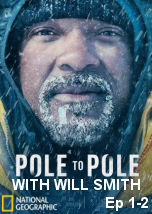
Inspired by his late mentor, Will Smith embarks on a 100-day, pole-to-pole odyssey that pushes him far beyond his comfort zone. Traveling alongside scientists, explorers, and local experts, he climbs remote mountains, dives beneath polar ice, and confronts the raw power of nature. The journey blends adrenaline and curiosity, revealing how extreme environments shape life—and how facing the planet’s edges can reshape us, too. In the first two episodes, the adventure begins with sweeping ambition and immediate immersion. Smith sets out on the global route with National Geographic, then plunges into the Amazon rainforest, tracking dangerous wildlife and learning from those who know the jungle best. It’s a vivid opening that sets the tone for a quest defined by discovery, risk, and awe at the natural world.



















South America's extraordinary landscapes, wildlife, and their coexistence with humans are beautifully depicted in this documentary.