Huge asteroids have smashed into the earth, and turned it into an enveloped fire, uninhabitable to almost all life on the surface. The world will get hit again. It's just a matter of when. So, what should we do as a species? Should we just, like the dinosaurs, look up and die? The reasons the dinosaurs are extinct is they didn't have a space program. We do. We have the capability to perhaps escape the Earth. Astronaut Chris Hadfield believes the only chance for human survival is to escape from Earth and build a space colony, but there are real barriers.
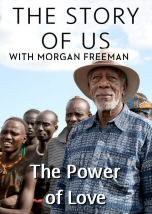
Can love change the world? Morgan Freeman is on a global quest to understand how this primal force binds us together as a species. From orphanages to battlefields, from arranged marriages to life on the streets, Freeman sees how love can be found in unexpected places and how this force inspires us all.
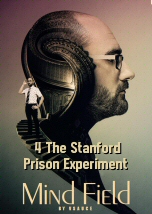
It all begins as a study on the psychology of prison life led by Stanford psychology professor Dr. Philip Zimbardo. 24 volunteers - 12 guards and 12 prisoners - have agreed to spend the next two weeks recreating life in a correctional facility. Normal people can become monsters, given the right situation, that's the standard narrative of the Stanford Prison Experiment, one of the most famous psychological experiments of all time. But what if the cause of its participants' cruel behavior wasn't what we've always been told?
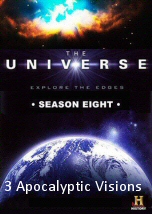
The end is coming. But which cosmic catastrophe will deliver the death blow? Were the Vikings right to fear the frozen apocalypse of an endless winter? Did the Buddhists correctly predict a fiery end to life on Earth? Or will the thunderous Christian vision of Armageddon come crashing down from the stars? Which ancient prophesy do scientists believe accurately foretells our doom? And how close are we to the end of the world? This film explores all the possibilities Apocalyptic Visions to the Future.
Episode 3 delves into how life began on a roiling, violent Earth and explores the story behind Victor Goldschmidt, the man who found the first clues to life's beginnings on our planet. Neil deGrasse Tyson takes viewers on a journey through space and time to witness the tenacity and creativity of life on Earth and the prospects of life throughout the universe.
The fourth episode sees host Neil deGrasse Tyson exploring our eternal quest to end hunger and honoring Nikolai Ivanovic Vavilov, pioneer of modern plant breeding, who risked his life for a discovery that would change the history of science. Vavilov's story is marked by both the tenacity and creativity and is particularly tragic. Interwoven into Vavilov's somber narrative are warnings and treatments of science and its ethical implications, especially when science itself comes under attack from political forces.










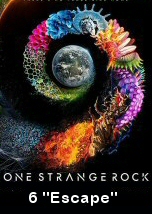



Astronaut Chris Hadfield believes the only chance for human survival is to escape from Earth and build a space colony, but there are real barriers.