In this curious series, the minds behind history's most iconic toy franchises will discuss the rise (and sometimes fall) of their billion-dollar creations. In 1977, after being rejected by Mattel and Hasbro, Lucasfilm signed with Kenner Products to have toys produced for their sci-fi film Star Wars. This was a huge gamble, as Kenner was a small toy company at the time and the negotiation process started late due to George Lucas' secrecy over the ship designs. Since then, toy sales of the Star Wars franchise have totaled to US$14 billion worldwide.
After years of anticipation, autonomous vehicles are now being tested on public roads around the world. As ambitious innovators race to develop what they see as the next high-tech pot of gold, some experts warn there are still daunting challenges ahead, including how to train artificial intelligence to be better than humans at making life-and-death decisions. How do self-driving cars work? How close are we to large-scale deployment of them? And will we ever be able to trust AI with our lives?
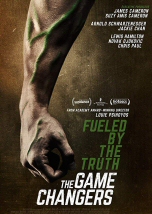
The film is produced by James Cameron, Arnold Schwarzenegger and Jackie Chan and documents the explosive rise of plant-based eating in professional sports, mixing real-time, groundbreaking science with cinematic stories of struggle and triumph. The film features some of the strongest, fastest and toughest athletes on the planet - and it's backed by them too - with additional EPs including Formula One champion Lewis Hamilton, top-ranked tennis player Novak Djokovic, and nine-time NBA All-Star Chris Paul. Follow the story of James Wilks - elite Special Forces trainer and winner of The Ultimate Fighter - as he travels the world on a quest for the truth about meat, protein, and strength. Showcasing elite athletes, special ops soldiers, and visionary scientists. Wilks' journey exposes outdated myths about food that not only affect human performance, but the health of the entire global population.
Well-known fans celebrate Stevie Wonder and his music by selecting some of his best-loved songs. Contributors include actor Martin Freeman, singers Alexander O'Neal, James Morrison, Beverley Knight and Corinne Bailey Rae, Gillian Gilbert and Stephen Morris, DJs Ana Matronic, Trevor Nelson and Norman Jay, journalist Sian Pattenden and presenter Emma Dabiri. Stevie Wonder is one of the dominant figures in American music, a multi-faceted genius whose music has permeated popular culture, and he is not short of celebrity fans. His musical achievements are lauded in this anthology of his greatest hits.
It's known as the Alamo of the ancient world, the story of a band of Jewish rebels and their final stand against the Roman Army. The siege of Masada, recorded nearly 2,000 years ago by Jewish military leader Flavius Josephus, is more than a tale of resistance against impossible odds. It's part of the founding narrative of Israel. But how much of it is true? We take a look at the events that inspired the CBS television miniseries 'The Dovekeepers' and go to the site of the mountain fortress itself, uncovering new truths about this epic conflict.
Explore how Artificial Intelligence will change your job as new research shows how much of what you do could be done by robots. From truckers to lawyers & doctors, we bring affected workers face to face with AI experts. How can we prepare for the coming changes to the world economy? We are on the precipice of another technological transformation. The last industrial revolution turned society upside down. It ultimately delivered greater prosperity and many more jobs, as well as the eight hour day and weekends.
But the transition was at times shocking and violent. The question is, can we do better this time? We don't realize that the future is not inevitable. The future is the result of the decisions we make today. These technologies are morally neutral, they can be used for good or for bad.
There's immense good things they can do, they can eliminate many disease,
they can help eliminate poverty, they can tackle climate change. Equally, the technology can be used for lots of bad. It can be used to increase inequality,it can be used to transform warfare. It can be used to make our lives much worse. We get to make those choices.






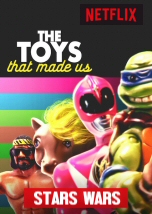







In 1977, after being rejected by Mattel and Hasbro, Lucasfilm signed with Kenner Products to have toys produced for their sci-fi film Star Wars. This was a huge gamble, as Kenner was a small toy company at the time and the negotiation process started late due to George Lucas' secrecy over the ship designs. Since then, toy sales of the Star Wars franchise have totaled to US$14 billion worldwide.