In the final episode of the series, the Civil War reaches its bloodiest and most decisive stage. After the Union victories at Gettysburg and Vicksburg, Abraham Lincoln becomes increasingly frustrated by generals who fail to destroy Robert E. Lee’s army and finally turns to Ulysses S. Grant, a commander willing to fight relentlessly until the Confederacy is defeated. At the same time, Lincoln pushes the nation beyond simply preserving the Union, supporting Black soldiers, confronting Frederick Douglass over their unequal treatment and making emancipation central to the meaning of the war. As casualties continue to mount, Lincoln faces the election of 1864, the fight to abolish slavery permanently through the 13th Amendment and the final collapse of the Confederacy. Lee’s surrender at Appomattox finally brings the long struggle toward its end, leaving Lincoln to consider how a divided nation can be reunited and what freedom will mean for millions of formerly enslaved people. But just as victory opens the possibility of a new beginning, his assassination transforms triumph into national tragedy and seals his place in American history.
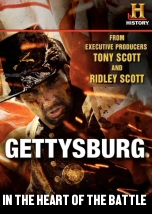
From executive producers Tony Scott and Ridley Scott comes a special about the battle that changed the course of the Civil War and the future of the Nation. ‘The world will little note, nor long remember, what we say here, but it can never forget what they did here.’ Abraham Lincoln's iconic Gettysburg Address frames this epic, feature-length History special. ‘Gettysburg’ looks at this battle from a visceral new perspective, not the generals who commanded from behind the frontlines, but that of the everyday soldiers who fought there, in a confrontation that changed the fate of the nation. Stripping away the romanticized veneer of past treatments, this special conveys new information and honors the sacrifice of those, both North and South, who fought and died there. Compelling CGI and powerful action footage place viewers in the midst of the fighting, delivering both an emotional cinematic experience and an information packed look at the turning points, technology, and little known facts of perhaps America's greatest battle. Raw, immersive and emotional, this groundbreaking event puts viewers inside the three-day battle where over 50,000 men paid the ultimate price.
In the second episode, Abraham Lincoln faces the greatest crisis of his presidency as the Civil War engulfs the nation. With little military experience, he must learn rapidly how to act as commander in chief, challenge hesitant generals and make decisions that will determine the survival of the Union. As battlefield losses mount and the conflict grows more brutal, Lincoln comes to believe that defeating the Confederacy will require more than preserving the nation: slavery itself must be confronted. The episode follows Lincoln as he struggles with military setbacks, political pressure and the enormous human cost of war, while moving toward the Emancipation Proclamation as both a moral and strategic turning point. His relationships with commanders, advisers and abolitionist voices reveal a president evolving under extraordinary pressure, forced to balance principle with pragmatism as he transforms the meaning of the war and the future of the United States.

























As casualties continue to mount, Lincoln faces the election of 1864, the fight to abolish slavery permanently through the 13th Amendment and the final collapse of the Confederacy. Lee’s surrender at Appomattox finally brings the long struggle toward its end, leaving Lincoln to consider how a divided nation can be reunited and what freedom will mean for millions of formerly enslaved people. But just as victory opens the possibility of a new beginning, his assassination transforms triumph into national tragedy and seals his place in American history.