A team of intrepid palaeontologists recently discovered a lost world of dinosaurs in the unlikeliest of places — deep in the dark, snowy wilds of northern Alaska. Surprisingly, new findings indicates that dinosaurs thrived year-round and raised their young in frigid and dark conditions in the far north of the Arctic Circle. Rappelling down giant ice cliffs bordering the Colville River, the team wields chainsaws to extract fossils frozen into the permafrost. Newly found dinosaur tracks indicates that a wide variety of species once flourished there, including herds of duck-bills, horned herbivores, pterosaurs, a new type of velociraptor, and northern relatives of T-rex.
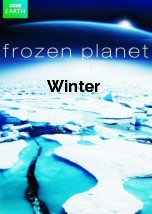
There is no greater test for life than winter, as temperatures plummet to 70 below and winds reach 200kph. Darkness and ice extend across the polar regions and only a few remarkable survivors gamble on remaining. We join a female polar bear trekking into the Arctic mountains to give birth as the first blizzards arrive. Out on the frozen ocean, the entire world's population of spectacled eider ducks brave the winter in a giant ice hole kept open by ferocious currents. Arctic forests transform into a wonderland of frost and snow - the scene of a desperate and bloody battle between wolf and bison, but also where a remarkable alliance between raven and wolverine is made. Beneath the snow lies a magical world of winter survivors. Here tiny voles dodge the clutches of the great grey owl, but cannot escape the ultimate under-show predator - the least weasel. Midwinter and a male polar bear wanders alone across the dark, empty icescape. Below the snow, polar bear cubs begin life in an icy den while fantastical auroras light the night skies above. In Antarctica, we join male emperor penguins in their darkest hour, battling to protect precious eggs from fierce polar storms. Weddell seals escape to a hidden world of jewel-coloured corals and alien-looking creatures but frozen devastation follows as sinister ice stalactites reach down with deadly effect.
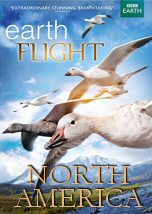
A bird's-eye view of some of the world's greatest natural spectacles. Amazing sights from five continents are revealed in a whole new light. Using cutting edge new filming techniques to show everything in exquisite detail, viewers have a uniquely privileged perspective. The first episode takes flight across North America, as a flock of millions of snow geese discover what it is like to be on the hit list of America's national bird: the bald eagle. In California, pelicans reveal devil rays that perform astonishing somersaults and find bizarre grunion fish that wriggle ashore to spawn. In Alaska, bald eagles swoop among brown bears fishing for salmon. And on the Great Plains, cowbirds duck and dive under the feet of fighting bison.
All about our feathery friends. This 'Best Of' episode of The Mind of a Chef opens the birdcage on some of our familiar (and some not so familiar) poultry dishes. Chinese chicken noodle soup, and chicken and dumplings make an appearance, but also stuffed Faroe Island puffin and duck-on-a-string get some screen time as well.
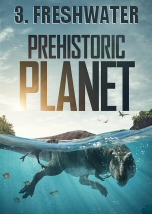
In the third episode, a Velociraptor hunts pterosaurs on a cliffside by a waterfall. A battle-scarred Tyrannosaurus nurses his wounds and encounters a newcomer. With its feathered body and duck bill, the eight-ton Deinocheirus wades through an Asian wetland in search of relief from pesky biting flies. A female Quetzalcoatlus builds and guards her nest. A mother Masiakasaurus and her family hunt crabs. Elasmosaurs enter an estuary in search of fish.
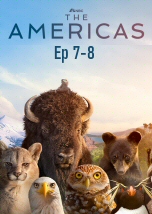
In episodes 7 and 8 of the series, the journey moves from the towering Andes to the tropical Caribbean, revealing two worlds where wildlife survives through astonishing specialization. In the Andes, spectacled bears guide their cubs down perilous cliffs, rare marvelous spatuletail hummingbirds fight and dance for mates, frogs endure freezing nights high beside retreating glaciers, torrent ducks master near-boiling mountain rivers, and thousands of flamingos gather at toxic high-altitude lakes in spectacular courtship displays. The Caribbean offers an entirely different struggle for survival. Sailfish coordinate high-speed attacks on sardine shoals, sperm whales dive into the deep around Dominica, millions of red crabs cross Cuba’s forests on their migration to the sea, and animals on isolated islands develop remarkable ways to exploit scarce resources. On Isla Jicarón, white-faced capuchins even learn to use stones as tools to crack nuts, showing how intelligence and adaptation can make the difference between survival and failure in paradise.


















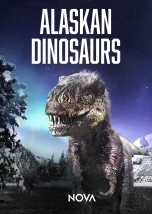





Rappelling down giant ice cliffs bordering the Colville River, the team wields chainsaws to extract fossils frozen into the permafrost. Newly found dinosaur tracks indicates that a wide variety of species once flourished there, including herds of duck-bills, horned herbivores, pterosaurs, a new type of velociraptor, and northern relatives of T-rex.