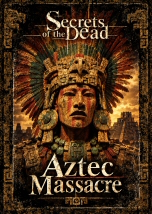
A mass grave at Zultepec, Mexico, containing more than 400 mutilated skeletons forces archaeologists to reconsider one of the most familiar stories of the Spanish conquest. Led by Aztec specialist Elizabeth Baquedano, the investigation follows forensic clues hidden in skulls, bones and artifacts to identify the victims and reconstruct what happened. Some remains prove to be European, including women, while Spanish-made iron objects and evidence of horses link the dead directly to the conquistadors who entered Mexico in the early sixteenth century. The evidence reveals a far more violent confrontation than the traditional image of an easy Spanish victory. Captured Spaniards and members of their entourage appear to have been imprisoned, ritually sacrificed, dismembered and, in some cases, consumed as part of ceremonial practices. By combining archaeology, forensic anthropology and Aztec codices, the documentary shows that indigenous resistance to the conquistadors could be organized, successful and terrifyingly effective, transforming Zultepec into crucial physical evidence of a conflict that history had long oversimplified.
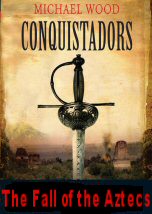
Hernan Cortes left Cuba in 1519 seeking riches in the island to the west. Instead he discovered, and ultimately destroyed, a hitherto unknown civilization. Join Micheal Wood as he retraces this fateful expedition. Read Spanish eyewitness accounts that describe the conquistadors' awe at the Aztec achievements and the lust for native treasure. Learn the Aztec' side of the story by scrolling trough pictographs that tell of the agonizing fall of the empire.























The evidence reveals a far more violent confrontation than the traditional image of an easy Spanish victory. Captured Spaniards and members of their entourage appear to have been imprisoned, ritually sacrificed, dismembered and, in some cases, consumed as part of ceremonial practices. By combining archaeology, forensic anthropology and Aztec codices, the documentary shows that indigenous resistance to the conquistadors could be organized, successful and terrifyingly effective, transforming Zultepec into crucial physical evidence of a conflict that history had long oversimplified.