As electric vehicles rapidly reshape roads, drivers face a difficult question: is it really time to abandon petrol? Through real-world challenges, the documentary compares both technologies on the issues that matter most, including range, charging time, reliability, performance, running costs, city driving and the price of buying second-hand. From a 100-mile petrol-versus-electric road race to high-performance track tests and used-car comparisons, the film reveals where electric cars already have a clear advantage and where petrol still proves more practical. Along the way, it explores battery technology, charging infrastructure and the history of the motor car, offering a lively and surprisingly balanced look at which type of vehicle really makes more sense today.
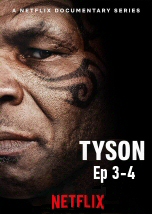
In the final two episodes of the series, Mike Tyson’s life moves from shocking defeat to an even darker collapse. After losing his heavyweight crown to Buster Douglas, he fights to reclaim his place at the top, but a criminal conviction and prison sentence derail his comeback and transform both his career and public image. When he returns to boxing, the pressure to become champion again culminates in his brutal rivalry with Evander Holyfield and the infamous “Bite Fight,” one of the most controversial moments in sports history. Beyond the ring, Tyson is forced to confront addiction, depression, damaged relationships and the consequences of a life driven by fame, anger and excess. Retirement begins a difficult process of reinvention and recovery as he tries to understand the man behind the intimidating public persona. These final chapters turn his story from one of sporting dominance into a much more personal struggle for survival, identity and redemption.
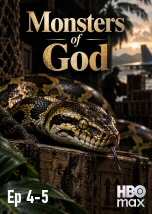
In the final two episodes of the series, the reptile trade enters a new and even more lucrative era. After prison, Tommy Crutchfield returns to find an industry transformed by the rise of genetically altered “morphs”, rare colour and pattern variations that can sell for enormous sums. What appears to be a more legitimate breeding business quickly collides again with illegal trafficking, as Operation Chameleon begins to expose the international network linking collectors, dealers and even major zoological institutions. The investigation then closes in on Anson Wong, the Malaysian trafficker described as one of the most powerful figures in the global reptile trade. As U.S. Fish and Wildlife agents work undercover to penetrate his organization, the story expands from rare snakes and lizards to critically endangered species such as the ploughshare tortoise, whose extraordinary black-market value has helped drive it toward extinction in the wild. These final episodes reveal how obsession, vast profits, corruption and international demand can turn the pursuit of exotic animals into a criminal empire with devastating consequences for wildlife.
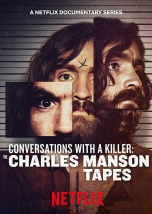
Previously unreleased prison calls, firsthand testimony and archival footage open a disturbing window into the world Charles Manson created around himself. Against the backdrop of the late-1960s counterculture, Manson draws vulnerable and disillusioned young people into a tightly controlled group built on promises of love, freedom and belonging. His manipulation gradually deepens into paranoia, domination and violence, culminating in the 1969 murders committed by members of the Manson Family, including the killings at the home of Sharon Tate, and in Manson’s delusional belief that the crimes could help ignite a racial apocalypse he called “Helter Skelter.” The story then follows the investigation, arrests and extraordinary 1971 trial, where Manson and his followers turn the courtroom into a spectacle and become symbols of a darker side of the era. Recordings of Manson himself are joined by voices from people who lived through the events, including material connected to followers such as Charles “Tex” Watson, Susan Atkins and Leslie Van Houten, revealing how charisma, coercion and group loyalty were transformed into lethal obedience. Presented here with all three episodes combined into a single video, viewers can follow the complete story without interruption, from the formation of the Family to the murders, the trial and the disturbing legacy Manson left behind.
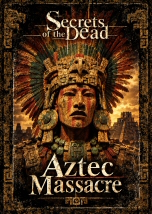
A mass grave at Zultepec, Mexico, containing more than 400 mutilated skeletons forces archaeologists to reconsider one of the most familiar stories of the Spanish conquest. Led by Aztec specialist Elizabeth Baquedano, the investigation follows forensic clues hidden in skulls, bones and artifacts to identify the victims and reconstruct what happened. Some remains prove to be European, including women, while Spanish-made iron objects and evidence of horses link the dead directly to the conquistadors who entered Mexico in the early sixteenth century. The evidence reveals a far more violent confrontation than the traditional image of an easy Spanish victory. Captured Spaniards and members of their entourage appear to have been imprisoned, ritually sacrificed, dismembered and, in some cases, consumed as part of ceremonial practices. By combining archaeology, forensic anthropology and Aztec codices, the documentary shows that indigenous resistance to the conquistadors could be organized, successful and terrifyingly effective, transforming Zultepec into crucial physical evidence of a conflict that history had long oversimplified.
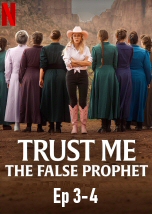
In the final two episodes, the investigation reaches its most intense and disturbing stage as former followers finally begin revealing the full extent of the abuse, fear, and manipulation hidden inside Sam’s inner circle. A key witness opens up to Christine with shocking testimony about Sam’s crimes, while law enforcement closes in after a tense traffic stop in Flagstaff exposes how dangerous the situation has become. As the FBI prepares a major operation, the series builds toward a dramatic confrontation that changes everything for the Samuelites. Even behind bars, Sam refuses to lose control. The final episodes reveal an increasingly unbelievable chain of events involving manipulation, blind devotion, and a brazen kidnapping plot orchestrated from prison itself. At the same time, the documentary follows the emotional struggle of former followers trying to rebuild their lives after years of psychological control. These episodes deliver the most powerful revelations of the series, combining true crime, cult psychology, and emotional testimonies in a finale that feels both disturbing and deeply compelling.






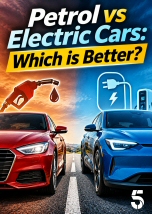


From a 100-mile petrol-versus-electric road race to high-performance track tests and used-car comparisons, the film reveals where electric cars already have a clear advantage and where petrol still proves more practical. Along the way, it explores battery technology, charging infrastructure and the history of the motor car, offering a lively and surprisingly balanced look at which type of vehicle really makes more sense today.