James Blake returns to the front line of online crime to investigate one of the darkest threats facing young people today: a hidden world of sextortion, grooming, harmful algorithms, and sexual exploitation moving across social media platforms with frightening speed. What begins with victims in the UK and warnings from police, experts, and whistle-blowers soon reveals a much larger and more disturbing picture, where online predators, organized networks, and global demand turn private screens into places of fear, blackmail, and abuse. The investigation takes him from Britain to the Philippines, where he joins a specialist international task force during police operations targeting livestreamed sexual exploitation linked to offenders abroad. Through survivor testimony, frontline officers, digital evidence, and the reality of raids on suspected abusers, the documentary exposes how technology, money, and anonymity can connect criminals thousands of miles away with vulnerable children. Urgent, shocking, and deeply human, it asks who is really protecting young people when the worst crimes online are only a few clicks away.
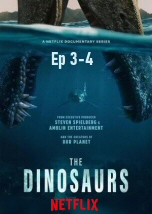
In the final two episodes of the series, produced by Steven Spielberg and narrated by Morgan Freeman, the Age of Dinosaurs reaches its most spectacular and dangerous chapter. After a harsh freeze reshapes life on Earth, the Cretaceous world emerges with rising seas, scattered islands and new hunting grounds where giant reptiles thrive. Pterosaurs glide across the skies searching for food while powerful predators patrol land and ocean in a planet completely ruled by dinosaurs. Among these rulers stands the most formidable hunter of all — Tyrannosaurus rex. Yet while these giants dominate the Earth, the planet itself is slowly changing. Continents drift apart, ecosystems evolve and an unseen threat begins its silent journey through space, foreshadowing the catastrophic event that will one day end the age of dinosaurs.
Deep beneath the surface of the internet lies a hidden world built on anonymity, encryption, and unimaginable crimes. In this gripping investigative documentary, an elite international task force of undercover officers ventures into the most dangerous digital territories to track down predators who believe they are untouchable. Led by determined U.S. agent Greg Squire, the team navigates complex cyber networks, encrypted marketplaces, and secret forums where every click could mean the difference between rescue and disappearance. Blending real operations with unprecedented access to those on the front lines, this powerful exposé reveals the technological cat-and-mouse battle between law enforcement and criminals operating in the shadows. As the stakes escalate and time runs out, viewers witness not only the scale of the global threat but also the relentless dedication of those risking everything to bring children to safety. It is a tense, emotional, and ultimately hopeful look at courage in the darkest corners of the digital age.
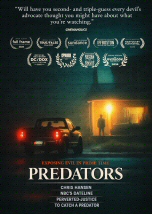
This gripping documentary revisits the rise and fallout of a controversial television experiment that brought hidden crimes into the spotlight. By examining the NBC series that staged sting operations to confront suspected online child predators, the film reconstructs how on-camera confrontations led to arrests, public outrage, and unprecedented ratings. Through archival footage and behind-the-scenes accounts, it probes the fine line between journalism, justice, and spectacle. As the story unfolds, the focus shifts to the ethical and legal storms that followed. Questions of due process, responsibility, and the human cost of public exposure collide with the show’s sudden cancellation, forcing a reckoning with how far media should go in the name of protection. The result is a tense, thought-provoking exploration of power, accountability, and the consequences of turning crime prevention into prime-time television.
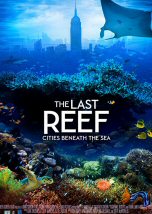
Fly across iridescent tropical reefs, brush through a cloud of a million jellyfish, visit an alien world where the closer you look, the more you see, where the tiniest creatures support the greatest predators... We think of reefs as exotic, distant places with little or no connection to our everyday world. Yet every reef is a living city beneath the sea with a parallel existence to ours, distant yet undeniably connected. Reefs are hotspots of biodiversity as vital to life on earth as the rain-forests. They have been shaping our shorelines, literally forming islands and mountains, for millions of years. The fossil record shows that given time they have recovered from all of earth's major extinction events. Even reefs pulverised by atomic blasts at Bikini Atoll have regenerated. Yet within our lifetime reefs have come to face their greatest threat...
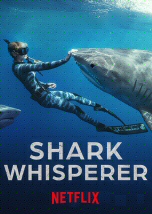
Ocean Ramsey dives off the coast of Hawaii with nothing but a wetsuit and unshakable composure. A marine conservationist whose viral dives have captivated millions, she reads the body language of these great predators and turns fear into focus. Alongside her partner and cameraman Juan Oliphant, she documents every moment of a mission to replace the myth of the monster with one of hard-earned respect, all while facing criticism that questions where advocacy ends and spectacle begins. A visceral, time-pressured journey that challenges you to rethink sharks, risk, and the power of a voice amplified by the sea.

















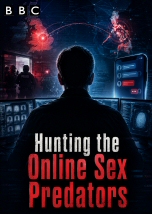




The investigation takes him from Britain to the Philippines, where he joins a specialist international task force during police operations targeting livestreamed sexual exploitation linked to offenders abroad. Through survivor testimony, frontline officers, digital evidence, and the reality of raids on suspected abusers, the documentary exposes how technology, money, and anonymity can connect criminals thousands of miles away with vulnerable children. Urgent, shocking, and deeply human, it asks who is really protecting young people when the worst crimes online are only a few clicks away.