In the final two episodes of Season 2, Ragnar’s hopes of securing land in Wessex collide with King Horik’s hunger for revenge. As the Vikings advance towards King Ecbert’s villa, they walk straight into a carefully prepared Saxon response. The resulting battle is brutal, leaving Rollo gravely wounded and forcing Ragnar to reconsider what victory should really mean. While Horik still dreams of plunder and vengeance, Ragnar begins to see a different future: Farmland for his people, an alliance with Ecbert and the possibility of using Viking strength in the struggle for Mercia. Back in Kattegat, however, the most dangerous battle is no longer being fought with Saxons. Horik becomes convinced that Ragnar has grown too powerful and secretly prepares to destroy him and his entire family. Floki appears to turn against Ragnar, Siggy is drawn into Horik’s plans and every friendship suddenly becomes suspect. But beneath the deception, Ragnar is quietly testing the loyalty of those closest to him. What follows is a tense and violent reckoning in which betrayal is answered with betrayal, old alliances are shattered and Ragnar’s rise reaches a decisive new stage.
In the final three episodes of Season 1, Ragnar's ambition drives him toward his boldest gamble yet as a daring raid strikes at the heart of one of England's most powerful kingdoms. While victory promises unimaginable wealth and lasting fame, every decision carries devastating consequences, forcing alliances to shift and loyalties to be tested in ways no one expects. As the Vikings make their sacred pilgrimage to Uppsala, faith, sacrifice, and destiny collide in an unforgettable journey that changes the lives of Ragnar, Lagertha, and Athelstan forever. Political intrigue soon follows when Ragnar is sent to negotiate with the dangerous Jarl Borg, where diplomacy hangs by a thread and a single mistake could ignite a brutal conflict. Filled with epic battles, emotional turning points, and unforgettable characters, these episodes deliver a gripping conclusion that leaves you eager for the next season.
In the last two episodes of this series, you can see how coffee and corn open the door to stories far beyond what we consume every day. From the demanding journey of the coffee bean—shaped by history, craftsmanship and human effort—to the rise of corn from a sacred crop to a dominant force in global food systems, these episodes reveal how simple ingredients carry profound meaning. What begins as a look at familiar foods quickly becomes a deeper exploration of culture, industry and survival, uncovering the fragile balance behind what we eat and leaving a lasting sense of how much is at stake in the most ordinary things.
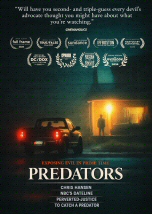
This gripping documentary revisits the rise and fallout of a controversial television experiment that brought hidden crimes into the spotlight. By examining the NBC series that staged sting operations to confront suspected online child predators, the film reconstructs how on-camera confrontations led to arrests, public outrage, and unprecedented ratings. Through archival footage and behind-the-scenes accounts, it probes the fine line between journalism, justice, and spectacle. As the story unfolds, the focus shifts to the ethical and legal storms that followed. Questions of due process, responsibility, and the human cost of public exposure collide with the show’s sudden cancellation, forcing a reckoning with how far media should go in the name of protection. The result is a tense, thought-provoking exploration of power, accountability, and the consequences of turning crime prevention into prime-time television.
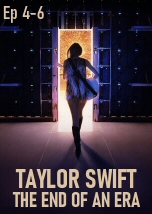
In the final three episodes the tour reaches its most intimate and emotional chapter, as Taylor Swift looks inward and outward at once. Acoustic moments strip the spectacle down to raw connection, while surprise appearances bring new energy and celebration to the stage. Family memories surface as a quiet backbone of the journey, revealing how personal roots shaped a global phenomenon. As the spotlight widens, the series honors the artists and performers who helped carry the tour’s heartbeat, including rising voices who shared the stage along the way. The journey concludes in Vancouver, where reflection replaces adrenaline and a final bow marks the end of an era—capturing not just the scale of the success, but the lasting cultural impact of a tour that changed how live music is experienced.
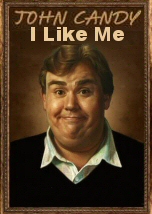
This documentary celebrates the life of John Candy, a comedy legend whose warmth and humor defined a generation and who died of a heart attack in 1994 at the age of 43. Through rare footage and honest interviews with family, friends, and fellow stars, it reveals the man behind the laughter — talented, humble, and deeply human. From his early days in television to his rise as one of Hollywood’s most beloved comedic actors, his story shows how joy and vulnerability shaped a career that continues to inspire. With reflections from Bill Murray, Eugene Levy, Catherine O’Hara, and Dan Aykroyd, the film captures Candy’s lasting legacy as both a comic genius and a kind soul whose influence still endures decades after his passing.











Back in Kattegat, however, the most dangerous battle is no longer being fought with Saxons. Horik becomes convinced that Ragnar has grown too powerful and secretly prepares to destroy him and his entire family. Floki appears to turn against Ragnar, Siggy is drawn into Horik’s plans and every friendship suddenly becomes suspect. But beneath the deception, Ragnar is quietly testing the loyalty of those closest to him. What follows is a tense and violent reckoning in which betrayal is answered with betrayal, old alliances are shattered and Ragnar’s rise reaches a decisive new stage.