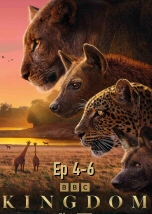
In the final three episodes, life in this Zambian stronghold reaches a decisive turning point as survival becomes more fragile than ever. An injured wild dog named Flint defies the odds by helping care for Storm’s largest litter of pups, while leopard Mutima continues her perilous search for a territory to call home. At the same time, the lions face pressures beyond their control, forcing shifts in dominance as age, injury, and the land itself begin to reshape the balance of power. The closing chapter deepens the drama and the emotion. Leopard Olimba struggles with the weight of old age, the wild dogs’ story takes an unexpected turn, and both lions and hyenas experience a baby boom that raises a final question: who truly rules this kingdom now? The series concludes by revealing the unseen human effort behind the scenes, introducing the filmmakers, conservationists, and anti-poaching teams whose extraordinary work protects South Luangwa and the fragile lives that depend on it.
Filmed over four years, Our Planet is an eight-part series that combines the spectacular photography of Planet Earth with an unprecedented look at the planet's remaining wilderness areas and their animal inhabitants. With a cornucopia of visual wonder and environmental advocacy, the series explores more of this beautiful, blue marble while presenting an urgent call to action to its inhabitants. In the words of David Attenborough: 'This series will celebrate the natural wonders that remain, and reveal what we must preserve to ensure people and nature thrive'. The first episode explores the planet's breathtaking diversity -- from seabirds carpet-bombing the ocean to wildebeests eluding the wild dogs of the Serengeti.
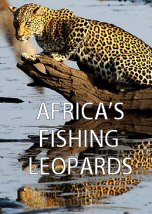
David Attenborough narrates the intimate story of a leopard mother and her two cubs. This very special family must survive in the wilds of Botswana alongside some less-than-friendly neighbours: lions, wild dogs and hyenas. The competition for food is tough, and if they are going to make it they must learn a new skill - they must learn to fish. This is an epic family drama. With them every step of the way is local cameraman Brad Bestelink. Brad's 18-month journey following the lives of these secretive big cats offers a rare glimpse into an otherwise hidden world.
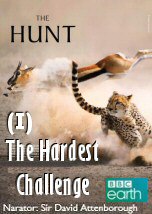
The contests between predators and prey are the most dramatic events in nature. Taking an intimate and detailed look at the remarkable strategies employed by hunters to catch their prey and the hunted to escape. Sir David Attenborough narrates. "The Hardest Challenge" reveals the extraordinary range of techniques predators use to catch their prey - from a leopard using all its powers of stealth to stalk impala in broad daylight to wild dogs, whose tactic is to wear down their prey over long distances; from Nile crocodiles, the planet's most patient predators, to killer whales who use teamwork and intelligence to take on humpback whales. But even with these finely tuned strategies, the outcome is far from certain. Surprisingly, most predators fail most of the time.
Be it foxes on city streets or wolves on the tundra, canines rely on sharp senses, athleticism and fierce determination to punch above their weight. But the real secret of their success is much more surprising. It's a story of their intimate side. It's what makes every dog, from pet pooch to wild dogs, one of the family.
We may be smart, but we're still discovering animals have countless skills, every bit as impressive. In a world full of unexpected foes, competition is evolution's ultimate driving force. Is the secret behind the incredible diversity of life on earth, and the most extraordinary animal powers.






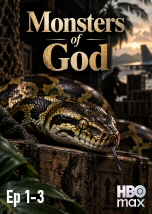






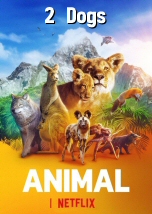




The closing chapter deepens the drama and the emotion. Leopard Olimba struggles with the weight of old age, the wild dogs’ story takes an unexpected turn, and both lions and hyenas experience a baby boom that raises a final question: who truly rules this kingdom now? The series concludes by revealing the unseen human effort behind the scenes, introducing the filmmakers, conservationists, and anti-poaching teams whose extraordinary work protects South Luangwa and the fragile lives that depend on it.