George Michael is honored in a fine documentary released in October 2017, a film he wrote and directed and supervised about his life in show business before his death on Christmas Day 2016. The film was completed under David Austin's direction. The movie is a frank and honest account of George Michael's professional life and career. Though the film, various artists add to the narrative – Tony Bennett, Mary J. Blige, Emmanuelle Alt, Naomi Campbell, Ricky Gervais, Elton John, Liam Gallagher, Cindy Crawford, Jean-Paul Gaultier, Kate Moss Nile Rodgers, James Corden, Stevie Wonder, and many others. The film highlights conversations with Michael, his crisis with Sony, his 'coming out' as a gay man, his driving force to be the best performer and songwriter ever known, his many successful videos and clips from live performances and much, much more. This is a very beautifully made film, steaming with love from Michael and from his many fans, and filled with information about the positive impact he made on the world. Completely entertaining and a fine tribute to an enormously gifted artist.
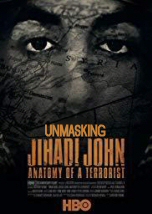
This feature documentary tells the story of Mohammed Emwazi's journey from being an ordinary London boy to becoming terrorist 'Jihadi John', and the intelligence operatives' attempts to catch him by the US and British military and intelligence services. It explores the twisted worldview espoused by ISIS - the richest and most notorious Islamist terrorist organization in history - and its propaganda machine which was operated by "Jihadi millennials" who turned social media sites such as Twitter and YouTube into recruitment platforms. Told through extraordinary first-hand accounts of key counter-terrorism and intelligence officials who identified "Jihadi John" and the voices of Muslim community leaders who worked with parents whose radicalized children fled places such as the US and Britain to join ISIS on the battlefields of Syria and Iraq.
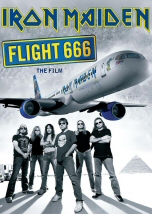
Come fly with Iron Maiden and enjoy the hospitality of Flight 666 as the boys' take on the biggest tour of their career, flying around the world in their own private Boeing 757. This insight into the background noise that is the logistical workings' of the '2008 Somewhere Back in Time' World Tour is captivating, both behind the scenes as well as on stage. Performing in front of sell out crowds, this 'Rocumentary' is an insight into the minds, bodies and souls of the family that is Iron Maiden. The film is a complete chronological account of the band's 2008 world tour through India, Australia, Japan, USA, Canada, Mexico and South America in a jet piloted by the band's front man, Bruce Dickinson. Features interviews with the musicians, their road crew and fans.
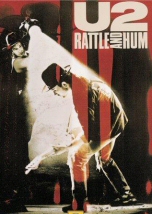
This film documents the 1987 North American tour of the great rock band U2. Fresh with their success of their best selling album 'The Joshua Tree', the band plays monster gigs. Along the way, the band takes the opportunity to indulge in some special musical activities like playing with B.B. King and performing 'I Still Haven't Found What I'm Looking for' with a famous church choir. All the while, concert footage of the band's biggest hits on tour are featured while Bono speaks his mind on the problems of his homeland.
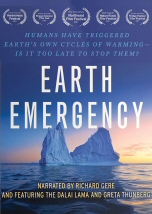
This revealing film examines how human activity is setting off dangerous warming loops that are pushing the climate to a point of no return - and what we need to do to stop them. With captivating illustrations, stunning footage and interviews with leading climate scientists as well as support from Greta Thunberg and the Dalai Lama, 'Earth Emergency' adds the missing piece of the climate puzzle. Narrated by Richard Gere, the film examines four of the major warming feedback loops threatening our planet: Forests, Permafrost, Albedo and Atmosphere.
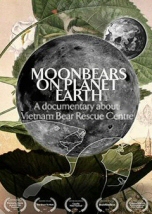
The documentary shows the daily activities performed by the local and international staff who lives and works inside the Bear Rescue Center situated in Tam Dao National park, Northern Vietnam. Interviews, original and archive footage are edited to explain life, tasks and achievements of this NGO managed by Animals Asia. In this natural sanctuary, moon bears and sun bears are rescued, treated, kept safe and nursed: they are now free from the suffering caused by the cruel tortures of bile farming and extraction process. Since thousands of years bear bile products are in use in traditional oriental medicine and even nowadays it generates around two billions dollars of illegal business. Animals Asia staff is not only assuring better living and relief for rescued bears but promotes educational awareness about the bile farming issues, employees and generates fare trades for a relevant number of people of this rural area of Vietnam.











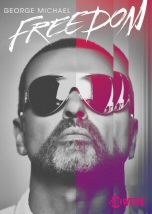

The film highlights conversations with Michael, his crisis with Sony, his 'coming out' as a gay man, his driving force to be the best performer and songwriter ever known, his many successful videos and clips from live performances and much, much more. This is a very beautifully made film, steaming with love from Michael and from his many fans, and filled with information about the positive impact he made on the world. Completely entertaining and a fine tribute to an enormously gifted artist.