Thanks to a recent remarkable discovery in the BBC's Film Vaults, the best of David Attenborough's early Zoo Quest adventures can now be seen as never before - in colour - and with it the remarkable story of how this pioneering television series was made. First broadcast in December 1954, Zoo Quest was one of the most popular television series of its time and launched the career of the young David Attenborough as a wildlife presenter. Zoo Quest completely changed how viewers saw the world - revealing wildlife and tribal communities that had never been filmed or even seen before. Broadcast ten years before colour television was seen in the UK, Zoo Quest was thought to have been filmed in black and white. Until now. Using this extraordinary new-found colour film, together with new behind the scenes stories from David Attenborough and cameraman Charles Lagus, this 90 minute special showcases the very best of Zoo Quest to West Africa, Zoo Quest to Guiana and Zoo Quest for a Dragon in stunning HD colour for the very first time.
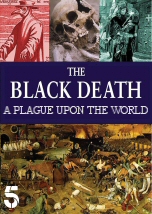
In an enthralling documentary, Dan Snow and archaeologist Raksha Dave delve into the catastrophic impact of the Black Death on Britain 700 years ago, a pandemic that extinguished around half of the population, or three million people. The duo embarks on a journey to trace the origins and merciless spread of the plague, starting from its arrival on Britain's South coast in June 1348, through the bustling trade routes that brought the disease to Melcombe Regis, Dorset. Their investigation takes them to various hotspots of the outbreak, including the Old Operating Theatre in London and Wildwood Animal Sanctuary in Kent, where they explore the role of rats in dispersing the bubonic plague. Through dramatic reconstructions and visits to places like Nottingham University's biomedical laboratories, they uncover the rapid spread and deadly impact of the plague, offering a month-by-month account of how it ravaged the country, decimating cities, towns, and villages alike. The documentary not only showcases the horrific symptoms and desperate attempts at cures through brutal medical practices of the time but also leverages cutting-edge research to explain why the Black Death remains the deadliest pandemic in history. The personal stories of victims, from princes to paupers, are brought to light, revealing the indiscriminate nature of the disease. Dan's visit to Canterbury Cathedral and Raksha's investigation into the recent discovery of mass graves beneath a tranquil London square underline the widespread desperation and devastation. Their journey through the history of the Black Death, culminating in the discovery of its indiscriminate toll and the unveiling of mass graves in London, not only sheds light on the darkest chapters of British history but also ignites a profound understanding of the tragedy, making a compelling case for why this documentary is a must-watch for anyone interested in the profound impacts of pandemics on human society.
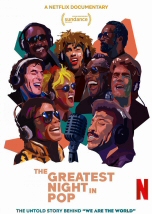
On January 25th, 1985, dozens of the era's most popular musicians gathered in Los Angeles to record a charity single for African famine relief. Setting egos aside, they collaborated on a song that would make history. The documentary transports viewers back to the recording of ‘We Are the World,’ capturing a seminal moment in music with gripping detail and emotion. Through an intimate lens, the film chronicles the night when some of the biggest names in the music industry united for a cause greater than themselves. With exclusive behind-the-scenes footage, candid interviews with the artists involved, and insights from music historians, the documentary reveals the challenges, camaraderie, and sheer talent that converged to make the recording session an unparalleled event in pop culture, making it a poignant reminder of the power of art to effect change.
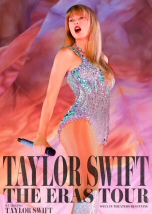
‘Taylor Swift The Eras Tour’ transcends a mere concert film, emerging as a cultural phenomenon on the big screen. It offers a once-in-a-lifetime, immersive experience, showcasing the history-making tour of Taylor Swift, one of the most iconic artists of our era. The film spans her entire career, from early country roots to the latest pop anthems, capturing the evolution of her music and the unique themes of each era with stunning cinematic quality. The visuals and sound design are crafted to create a breathtaking and intimate concert experience, highlighting the energy of Swift and her connection with the audience. This film is not only a celebration of Swift's musical journey but also a testament to her lasting impact on pop culture. It's a masterful blend of concert energy, personal storytelling, and cinematic splendor, making it an essential experience for anyone interested in witnessing the evolution of a music icon and the creation of a cultural milestone.
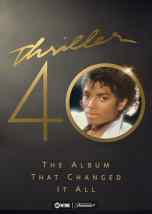
This documentary, directed by Nelson George, offers an unprecedented look into the making of Michael Jackson's iconic ‘Thriller,’ the best-selling album of all time. Celebrating its 40th anniversary, the film delves deep into the creative process behind this pop masterpiece. It features exclusive, never-before-seen footage and candid interviews, providing fans with a unique glimpse into the production of this record-breaking album.
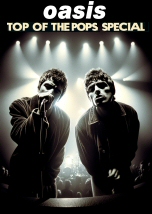
A rare and hard-to-find concert of the band at the pinnacle of their fame. This performance offers an intimate glimpse into the energy and raw talent that propelled Oasis to be Britpop's defining act. Viewers are treated to a setlist brimming with anthems that have since become the hymns of a generation. The program not only features electrifying live renditions but also provides candid insights into the band's dynamics, including the legendary brotherly feuds that are as much a part of Oasis's story as their music. This special is a must-watch for music enthusiasts, offering a unique snapshot of a band that epitomized the spirit of the 90s and continues to influence artists around the globe.






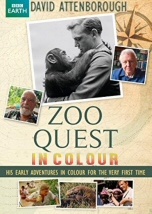


Broadcast ten years before colour television was seen in the UK, Zoo Quest was thought to have been filmed in black and white. Until now. Using this extraordinary new-found colour film, together with new behind the scenes stories from David Attenborough and cameraman Charles Lagus, this 90 minute special showcases the very best of Zoo Quest to West Africa, Zoo Quest to Guiana and Zoo Quest for a Dragon in stunning HD colour for the very first time.