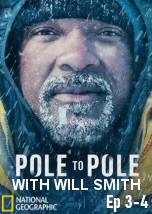
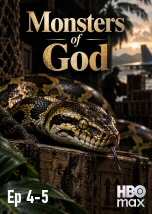
In episodes 3 and 4, the journey intensifies as Will Smith pushes deeper into both the physical and emotional extremes of the planet. In the Amazon, he ventures into dense, unforgiving jungle in search of the elusive green anaconda, confronting fear, danger, and the raw power of one of Earth’s most mysterious predators. Guided by local experts, the expedition becomes a test of courage and trust in a world where nature sets all the rules. The adventure then shifts dramatically to the Himalayas, where the challenge is no longer survival but meaning. High above the clouds, Will explores the idea of happiness alongside monks, scientists, and mountain communities, discovering how isolation, altitude, and ancient wisdom reshape the human mind. Together, these episodes connect the wildness of nature with the inner journey of self-discovery, revealing that the greatest expedition may be the one within.
In the final three episodes of Season 2, the struggle for Germania reaches a breaking point as loyalty, vengeance and political ambition collide. Tiberius demands proof that Marbod truly stands with Rome, while Flavus makes a dangerous proposal to Germanicus. At the same time, the Germanic tribal leaders gather to proclaim Marbod king, hoping unity might finally give them the strength to resist Rome. But the fragile alliance is shattered by tragedy, and Marbod is forced to confront Tiberius directly as trust on both sides collapses. The conflict then accelerates toward open war. Thusnelda and Folkwin undertake a perilous mission, Gaius makes a shocking discovery in the forest, and Segestes offers Tiberius a treacherous bargain. With Roman reinforcements approaching by ship, Arminius and the tribes realize they may have only one chance left: strike the Roman camp before a new legion arrives. The season closes with betrayal, sacrifice and a desperate battle for freedom, as every decision threatens to determine whether the Germanic tribes remain divided or finally stand together against Rome.
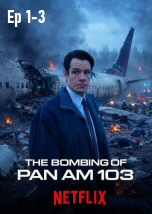
On 21 December 1988, Pan Am Flight 103 explodes over Lockerbie, Scotland, killing all 259 people on board and 11 residents on the ground. What follows is one of the largest and most complex terrorism investigations ever undertaken in Britain, forcing Scottish detectives and the FBI to work across borders, sift through an enormous debris field and reconstruct how a bomb was placed aboard the aircraft. Based on real events, the series follows both the painstaking search for those responsible and the devastating impact of the attack on the town of Lockerbie and on families on both sides of the Atlantic. In the first three episodes, the investigation begins amid chaos as police recover bodies and fragments of the aircraft while international pressure mounts for answers. Early clues lead investigators toward possible suspects and networks connected to the bombing, but every breakthrough raises new questions. When Scottish officers travel to the United States with potentially crucial evidence, tensions emerge between agencies, particularly over intelligence the CIA may be withholding about a possible bomb maker. The result is a gripping reconstruction of an inquiry in which forensic evidence, international politics and competing intelligence interests collide, while the families of the victims wait for the truth.
In episodes 7 and 8 of Season 2, rivalries harden and new alliances begin to reshape the balance of power on both sides of the sea. Ragnar and King Horik clash over the fate of Jarl Borg and over who should control their next expedition to England. While Horik argues that they still need Borg’s ships and warriors, Ragnar finds an unexpected new ally in Lagertha, now commanding warriors of her own. With that obstacle removed, Ragnar carries out one of the most terrifying punishments in Viking tradition: the blood eagle. At the same time, King Ecbert welcomes King Aelle to Wessex and seals an alliance between their kingdoms through marriage, preparing England for the Vikings’ inevitable return. The tension only increases when Aslaug’s dark prophecy appears to come true with the birth of Ragnar’s son Ivar, while the Viking fleet once again sails for Wessex. Ragnar wants negotiation and sees the possibility of something more lasting than simple plunder, but Horik is driven by revenge and increasingly resents Ragnar’s independence. Ecbert, meanwhile, prepares both for peace and war, using Athelstan as a link to the man he knows is unlike any other Viking leader. When Ragnar discovers that Athelstan is still alive and Ecbert offers talks under safe conduct, the possibility of a historic agreement suddenly emerges—but distrust, ambition and bloodshed threaten to destroy it before it can even begin.
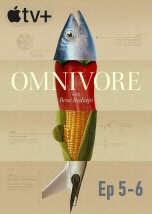
In episodes 5 and 6, you can see how two everyday foods open the door to something far bigger: Memory, survival, tradition and the uneasy bond between humans and the natural world. One journey takes you to La Alberca, in Spain, where the pig is not just an animal but part of a living ritual charged with history, pride and contradiction. The other leads into the rice fields of Kerala, India, where every grain carries the weight of climate, heritage and the fight to preserve ways of life that are slipping away. These chapters do far more than show food on a plate: they reveal beauty, tension and the hidden forces that sustain entire cultures, making each scene feel rich, intimate and impossible to forget.
Click CC for subtitles. In the winter of 2021, K2 remained the last great prize of high-altitude mountaineering: the only 8,000-meter peak never climbed in winter. Icelandic climber John Snorri Sigurjónsson and the legendary Pakistani father-and-son team Ali and Sajid Sadpara arrive determined to claim that historic first, facing temperatures far below zero, hurricane-force winds, exhaustion and a mountain already infamous for killing even the strongest climbers. But the expedition soon becomes more than a battle against nature. Commercial teams, influencer climbers, professional film crews and a fiercely ambitious all-Nepalese team converge on the same slopes, turning the ascent into a tense contest of strategy, reputation and national pride. As the climb unfolds, the documentary exposes the changing culture of modern mountaineering: the pressure of social media, the commercialization of the world’s highest peaks, the unequal recognition historically given to Western climbers, and the determination of Nepali and Pakistani mountaineers to claim achievements in their own names. The race for the summit culminates in triumph for one team and tragedy for others, leaving five climbers dead and forcing survivors to confront questions of ambition, responsibility and what a “first” is really worth. Built from extraordinary footage shot during the expedition and testimony from those who were there, the film transforms one of mountaineering’s last untouched records into a gripping story about ego, class, nationalism, family and the deadly cost of pushing beyond human limits.






















The adventure then shifts dramatically to the Himalayas, where the challenge is no longer survival but meaning. High above the clouds, Will explores the idea of happiness alongside monks, scientists, and mountain communities, discovering how isolation, altitude, and ancient wisdom reshape the human mind. Together, these episodes connect the wildness of nature with the inner journey of self-discovery, revealing that the greatest expedition may be the one within.