Brian takes a fresh look at the concept of gravity, revealing it to be far more than just the force that makes things fall to the ground. In the last three years, we've made profound discoveries about the nature of gravity and the way it behaves, and how this relates to the origin of the universe and strange things like black holes. Our theory of gravity has become the attempt to understand the nature of space and time.
Morgan Freeman travels the world to study the cycles of war and peace. From the ritualized combat of the sacred Tinku festival in Bolivia to Rwanda's post-genocide reconciliation program, this episode deals with humanity's enormous capacity for violence and the endless pursuit of harmony. Conflict can drive innovation, but is war necessary?
This episode covers the European refugee crisis, the largest refugee migration since World War II. Following the refugees on their journey, Vice sets out to cover not only the trials of those seeking asylum from the Syrian conflict, but the reactions from the Western world and the countries that have sought to take them in. Unfortunately, but perhaps not surprisingly, the response in many regions has been oppositional, especially in the aftermath of the Paris and Brussels ISIS attacks. In addressing this modern world crisis, Vice depicts the severe trials and tribulations faced by the desperate refugees, and the consequences, noticed or unnoticed, of turning them away.
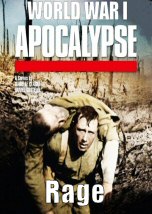
1917. People have had enough of the war. Behind the scenes, uprisings are brewing, like the one that toppled the Tsar in Russia; on the front soldiers begin to mutiny as they did at Chemin des Dames in France. German submarine attacks in the Atlantic will finally pull the Americans into the war, but they arrive too late to help prevent the carnage of the Battle of Passchendaele.
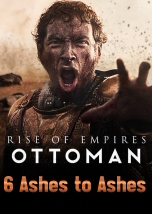
Hours before Mehmed II launches his final assault, an ominous sight shakes both sides. Rumors of a 40-ship fleet's imminent arrival have swirled for weeks, but it's exact whereabouts remained unknown. Ottoman cannons reduced the city walls to rubble, and Venetian reinforcements arrived too late. The conquest of Constantinople ushers in a new era for the Ottoman Empire, being a dominant force in world politics for 300 years. Mehmed II, in many senses, changed the nature of world history.
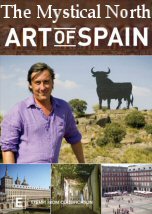
Graham-Dixon reveals how the north of the country has produced some of the most dazzling and iconic art of the modern age. Spain's turbulent history has shaped artists from Francisco Goya to Pablo Picasso. Graham-Dixon argues that Spanish architecture is the art form now taking the nation forward in the new millennium.









In the last three years, we've made profound discoveries about the nature of gravity and the way it behaves, and how this relates to the origin of the universe and strange things like black holes. Our theory of gravity has become the attempt to understand the nature of space and time.