Frequent security expos feature companies like Megvii and its facial- recognition technology. They show off cameras with A.I. that can track cars, and identify individuals by face, or just by the way they walk. In China it's been projected that over 600 million cameras will be deployed by 2020. Here, they may be used to discourage jaywalking, but they also serve to remind people that the state is watching. Matching with the most advanced artificial intelligence algorithm, they can actually use this data, real-time data, to pick up a face or pick up a action. A.I. is a technology that can be used for good and for evil. So, how do governments limit themselves in, on the one hand, using this A.I. technology and the database to maintain a safe environment for its citizens, but not to encroach on a individual's rights and privacies?
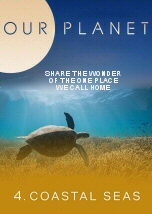
Immense shoals of fish throng our shallow seas. Small fish, in turn, sustain bigger ones. The rich coastal seas are the fishing grounds of our planet and can provide an abundance of food for wildlife and humanity. The seas fringing land make up less than a tenth of the world's oceans but 90 percent of marine creatures live in coastal waters, from fearsome sharks to lowly urchins. Protecting these habitats is a battle humanity must win.
Filmed over four years, Our Planet is an eight-part series that combines the spectacular photography of Planet Earth with an unprecedented look at the planet's remaining wilderness areas and their animal inhabitants. With a cornucopia of visual wonder and environmental advocacy, the series explores more of this beautiful, blue marble while presenting an urgent call to action to its inhabitants. In the words of David Attenborough: 'This series will celebrate the natural wonders that remain, and reveal what we must preserve to ensure people and nature thrive'. The first episode explores the planet's breathtaking diversity -- from seabirds carpet-bombing the ocean to wildebeests eluding the wild dogs of the Serengeti.
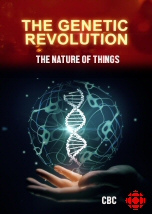
Trailblazing scientists are making ground-breaking discoveries in the rapidly evolving world of genetic engineering. Technologies like CRISPR are making it possible to quickly and cheaply change the DNA of all living things, including humans. Today, genes can be edited almost as easily as words on a computer screen. This new ability to alter our DNA holds the promise of curing disease , saving threatened species, solving the problem of world hunger and maybe even obtaining human perfection. But will the promise be fulfilled and at what cost? The ability to gain control of our DNA is ground-breaking and revolutionary but there are varying opinions among scientists as to how the technology should be used responsibly. This documentary follows the science as it progresses at a breakneck speed.
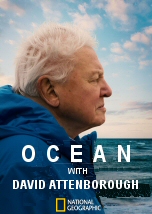
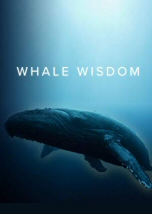
Whales have long been a profound mystery to us. They live in a world so removed from our own that we can barely imagine their lives. Their environment is different, their senses are different, their relationships are different. How might such almost alien creatures see the world?, Narrated by David Attenborough.
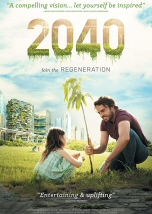
'2040' is an innovative feature documentary that looks to the future, but is vitally important now. Award-winning director Damon Gameau embarks on journey to explore what the future would look like by the year 2040 if we simply embraced the best solutions already available to us to improve our planet and shifted them into the mainstream. Structured as a visual letter to his 4-year-old daughter, Damon blends traditional documentary footage with dramatized sequences and high-end visual effects to create a vision board for his daughter and the planet.























A.I. is a technology that can be used for good and for evil. So, how do governments limit themselves in, on the one hand, using this A.I. technology and the database to maintain a safe environment for its citizens, but not to encroach on a individual's rights and privacies?