In just half a century, the human population has doubled to 7.4 billion, and during that time, astronaut and satellite photos have been capturing the startling changes on our planet. See how humans have made their mark reshaping the planet in our quest for new sources of food, power, and shelter. From glimmering new megacities like Shenzhen, China to areas affected by climate change like Mt. Kilimanjaro and Florida, witness Earth's changing look--the spectacular and the shocking--from 250 miles up.
Earth's surface is covered in weird and wonderful patterns. The Australian outback is covered in pale spots, the work of wombats; a clearing in the endless green canopy of the Congo rainforest has been created by an incredible elephant gathering; and the twists and turns of the Amazon make a home for rehabilitated manatees. This is our home, as we've never seen it before.
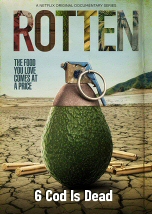
In the last 50 years, we have doubled the amount of fish we consume. Globally, billions of people rely on seafood as their primary source of protein. But the oceans can't keep up with so much demand. Around the world, fish stocks have plummeted and fisheries are crashing. People lost out. There was an industry just completely ravaged. As the global fish supply dwindles, the industry faces a crisis on all sides - including crooked moguls, dubious imports and divisive regulations.
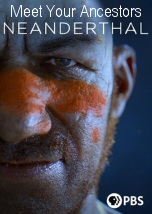
According to recent science the Neanderthals are not the knuckle-dragging apemen of popular imagination. The first part of the film investigates what Neanderthals looked like and how they lived in their Ice Age world. They were faster, smarter, better looking - and much more like us than we ever thought. Our guide is Ella Al-Shamahi, who enlists the skills of Andy Serkis, the master of performance capture, and a group of experts to investigate deeply Neanderthals appearance. In the second part, Ella explores the fate of the Neanderthals - asking why they became extinct, and discovering how they live on inside of us today. About 2% of the DNA of most people is of Neanderthal origin - and it continues to affect us today. Neanderthals were a people who were supremely well adapted to their environment. But about 40,000 years ago they disappeared. Why?
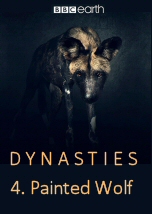
In the world of painted wolves, a remarkable family saga unfolds. It's a gripping tale of fierce rivalry, cunning survival, and complex social dynamics. Two leading figures, Tait and Blacktip, lead their respective packs through the wild landscapes of the Zambezi Valley. But what happens when a new generation challenges the old? The struggle for dominance and territory is set against the backdrop of a rapidly changing environment. As painted wolves face habitat loss, their future hangs in the balance. This episode offers a captivating and emotional journey through the lives of these incredible creatures, showcasing their unique communication and social structure. Will they be able to hold their place among Africa's great hunters, or will the challenges prove insurmountable? Don't miss the chance to witness this unforgettable story.
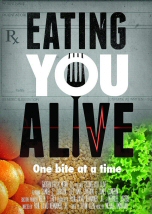
A provocative and enlightening documentary that delves into the little-known power of plant-based eating to heal our bodies and the planet. Through concrete interviews and compelling testimonials, the film explores how chronic diseases, which have become epidemics in the Western world, can be significantly improved and even reversed by changes in diet. Doctors, scientists, and celebrities share their insights and personal experiences, debunking the notion that medicine and surgical procedures are the only answers to serious health conditions. This documentary not only highlights the transformative impacts of diet on health but also addresses the ethical and environmental implications of our food choices. ‘Eating You Alive’ offers an inspiring vision of how we can take control over our health, live in harmony with the environment, and effect positive change in our lives and the world around us. This film is a call to action, not just for those looking to improve their health but also for those committed to sustainability and the well-being of the planet.















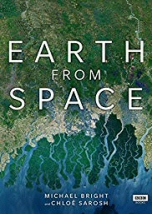








From glimmering new megacities like Shenzhen, China to areas affected by climate change like Mt. Kilimanjaro and Florida, witness Earth's changing look--the spectacular and the shocking--from 250 miles up.