Sir David Attenborough presents Asia, an epic seven-part series that takes viewers on an extraordinary journey through the vast and diverse landscapes of the largest continent on Earth. From snow-capped mountain ranges and ancient forests to searing deserts and rich coastlines, this groundbreaking series reveals the astonishing wildlife and hidden natural wonders that define Asia’s breathtaking beauty and complexity. The adventure begins in spectacular fashion beneath the surface of Asia’s oceans. In this visually stunning first episode, we dive into a world few have seen—an underwater realm filled with vibrant coral gardens, mysterious sunken ruins, and pristine marine habitats untouched by time. Alongside renowned marine scientists and local experts, we encounter majestic whale sharks, soaring manta rays, ancient sea turtles, glowing jellyfish, and otherworldly nudibranchs. But as we uncover the secrets of these magical ecosystems, we also face the urgent environmental challenges that threaten their survival. Awe-inspiring and thought-provoking, this opening episode sets the tone for a series that is as visually dazzling as it is vital to understanding the future of our natural world.
In the third episode you can see an extraordinary journey through the frigid realms of northern Asia. This captivating documentary unveils the remarkable strategies employed by wildlife to endure and flourish amidst relentless snow and ice. Witness the stealth and agility of Himalayan wolves as they pursue the swift chiru antelope across vast, frozen terrains. Observe the delicate courtship rituals of red-crowned cranes, mastering intricate mating dances in the snow-laden landscapes. Delve into the secluded habitats of the elusive Amur tigers, navigating the dense, frost-covered forests where Russia, China, and North Korea converge—a region also inhabited by the world's largest owls. Each scene offers a profound glimpse into nature's resilience and adaptability in some of the planet's most unforgiving environments.
In the seventh and final episode, viewers are taken on a journey across Asia's diverse landscapes, from the vast Gobi Desert to the lush jungles of Borneo. The episode highlights the unique wildlife inhabiting these regions, such as the elusive snow leopard in Central Asia and the endangered Irrawaddy dolphin in the Mekong River. Through stunning visuals and compelling narratives, the documentary showcases the pressing conservation efforts aimed at protecting these species and their habitats.
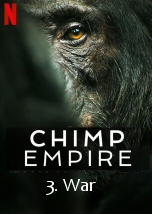
In the third episode of the series, the intricate social dynamics of the Ngogo chimpanzee community come to a head. Decades of growth and dominance have made this the largest known chimp group, but internal rivalries lead to a significant schism, with a faction of males breaking away to form their own group, the Westerners. Once comrades, these chimps now face each other as deadly enemies. The tension escalates with the mysterious death of Pork Pie, leaving the central chimps in a state of heightened alert and mourning, while leadership struggles and territorial disputes intensify within both factions. As the Westerners grow bolder, driven by the likes of Richmond and the ambitious Rollins, they encroach further into central territory, setting the stage for an inevitable clash. Amidst the power plays, we witness the personal struggles of individuals like Jackson, the embattled alpha, and Bartoli, who must protect her son Herzog from the looming threat. This episode masterfully captures the raw emotion and brutal reality of chimpanzee warfare, leaving viewers on edge as alliances are tested and the fight for dominance reaches a fever pitch.
New discoveries have rewritten the history of our solar system, revealing a complex and violent story that begins with the birth of our Sun from the debris of a massive galactic collision, to its eventual fate as a lone zombie star. It is a dramatic history of elegant beauty and extreme violence. The inner solar system was like a congested highway. Planets crossing lanes, frequent collisions. There were a lot of planets that could have made it but didn't, and we just happen to be one of the lucky ones that did. The players in our solar system's story are more tangled up than we ever imagined. Without all of these things interplaying, the Earth wouldn't have the stable environment that we have today, and life wouldn't be able to exist.
Dive into the heart of Uganda's Ngogo Forest, where a community of chimpanzees exhibits an intricate dance of politics, family ties, and territorial conflict. For a quarter-century, scientists and trackers have witnessed firsthand the chimps' evolving political dramas and familial bonds. Now, this series offers an unprecedented lens into this world, capturing the tribe's most defining moments: battles for dominance, growing offspring, budding romances, and the ever-shifting leadership. Join us for an intimate journey into the lives of the Ngogo chimps, where every day is a fight for survival and power. Don't miss this captivating look into the heart of the chimp empire. The first episode delves into the captivating world of chimpanzees, drawing parallels with human existence. As the narrative unfolds, viewers are taken on an enlightening journey into the lives of these primates, highlighting the profound similarities and unique stories they share with humans.























The adventure begins in spectacular fashion beneath the surface of Asia’s oceans. In this visually stunning first episode, we dive into a world few have seen—an underwater realm filled with vibrant coral gardens, mysterious sunken ruins, and pristine marine habitats untouched by time. Alongside renowned marine scientists and local experts, we encounter majestic whale sharks, soaring manta rays, ancient sea turtles, glowing jellyfish, and otherworldly nudibranchs. But as we uncover the secrets of these magical ecosystems, we also face the urgent environmental challenges that threaten their survival. Awe-inspiring and thought-provoking, this opening episode sets the tone for a series that is as visually dazzling as it is vital to understanding the future of our natural world.