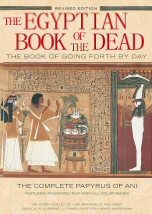
Step into a time when the boundary between life and death was guided by magic, faith, and the written word. This documentary unearths an extraordinary artifact dating back to about 1880 BCE—a scroll known as potentially the oldest document in human history, lost for centuries and rediscovered in 1887. Through expert interviews, archeological evidence, and stunning visuals, viewers are taken on a journey across ancient Egypt: exploring how this manuscript shaped funerary beliefs, mortuary rituals, and the very concept of the afterlife. Witness the power of this papyrus as it reveals secrets of gods and judgment, spells to navigate dangerous gates, and the yearning for immortality. For anyone fascinated by history, spirituality, or mysteries from the distant past, this film brings alive a document that influenced civilization itself.
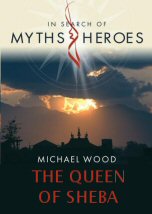
The Queen of Sheba - an exotic and mysterious woman of power - is immortalised in the world's great religious works, among them the Hebrew Bible and the Muslim Koran. She also appears in Turkish and Persian painting, in Kabbalistic treatises, and in medieval Christian mystical works, where she is viewed as the embodiment of Divine Wisdom and a foreteller of the cult of the Holy Cross. In Africa and Arabia her tale is still told to this day and, indeed, her tale has been told and retold in many lands for nearly 3,000 years.
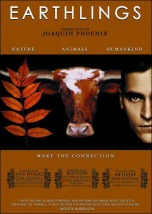
A feature length documentary about humanity's absolute dependence on animals (for pets, food, clothing, entertainment, and scientific research) but also illustrates our complete disrespect for these so-called 'non-human providers'. With an in-depth study into pet stores, puppy mills and animals shelters, as well as factory farms, the leather and fur trades, sports and entertainment industries, and finally the medical and scientific profession, the film uses hidden cameras and never before seen footage to chronicle the day-to-day practices of some of the largest industries in the world, all of which rely entirely on animals for profit. Powerful, informative and thought-provoking, EARTHLINGS is by far the most comprehensive documentary ever produced on the correlation between nature, animals, and human economic interests. There are many worthy animal rights films available, but this one transcends the setting.
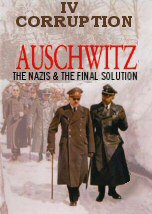
In the fourth episode of the series, eyewitnesses recall how those in power at Auschwitz lined their pockets with wealth stolen from Jewish inmates while also engaging in illicit affairs.
Survival of the fittest: Raw competition? Intense cooperation? Both are essential. Interactions between and within species are among the most powerful evolutionary forces on Earth, and understanding them may be a key to our own survival.
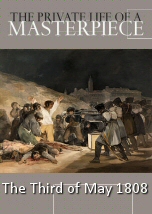
Arguably the most powerful painting about war ever achieved. It portrays the slaughter of civilians after Napoleonic troops entered Madrid in 1808. The programme reveals the historical truths behind the painting and shows exactly how Goya achieved this masterpiece of protest. he painting's content, presentation, and emotional force secure its status as a groundbreaking, archetypal image of the horrors of war. Although it draws on many sources from both high and popular art, The Third of May 1808 marks a clear break from convention. Diverging from the traditions of Christian art and traditional depictions of war, it has no distinct precedent, and is acknowledged as one of the first paintings of the modern era. According to the art historian Kenneth Clark, The Third of May 1808 is 'the first great picture which can be called revolutionary in every sense of the word, in style, in subject, and in intention'. Discover how Goya used drawings by authentic witnesses to depict a real firing squad.


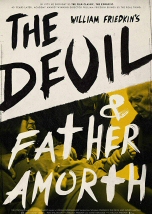


Witness the power of this papyrus as it reveals secrets of gods and judgment, spells to navigate dangerous gates, and the yearning for immortality. For anyone fascinated by history, spirituality, or mysteries from the distant past, this film brings alive a document that influenced civilization itself.